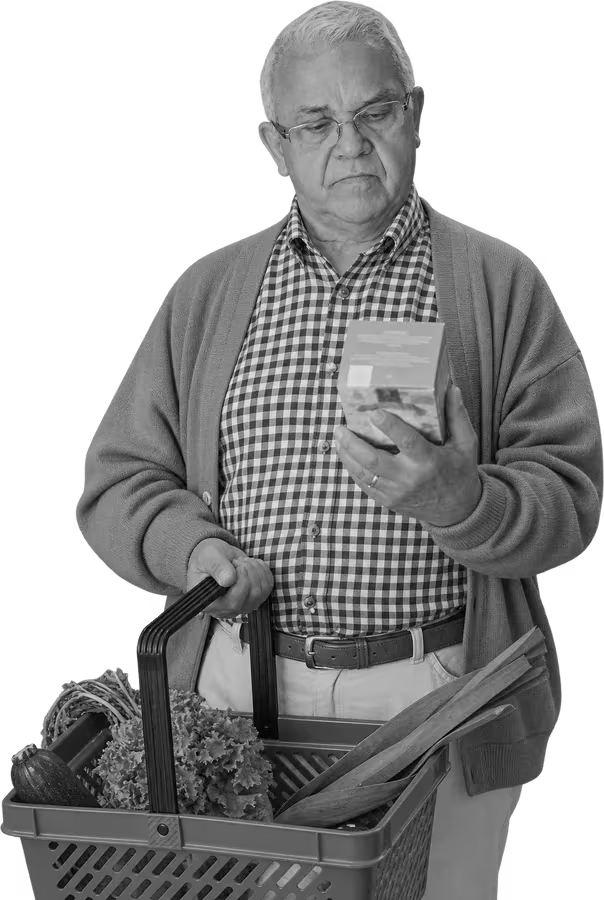



Availability & Distribution
Track SKU presence, stockouts and distribution gaps by outlet.
See where shoppers decide, where availability and price cost you sales, and which categories to back next.
Format, technology, income, culture, availability and channel structure combine differently in every market. Understanding that mix requires consistent research close to the consumer, with the scale to measure it across countries.
Each practice begins with a commercial question and brings together the evidence needed to answer it. Interviews and audits are inputs, not standalone services.
Are we present, visible and priced right where shoppers actually decide?
Measure execution through availability, visibility and value. Connect the gaps to shopper behavior, trade economics and the outlets that matter most.
Output: an outlet-level execution scorecard with priority fixes and negotiation evidence.
Track SKU presence, stockouts and distribution gaps by outlet.
Measure facings, placement, POSM and planogram compliance.
Compare assortment, price architecture, formats and launches.
Test shelf price, promotional visibility and execution against plan.
Explain missions, brand choice, barriers and switching behavior.
Detect delisting risk, private-label moves and new formats early.
Are we listed, visible and converting across the platforms that matter?
Connect digital availability, content, price and promotion with the shopper journey. Identify where visibility, trust or conversion breaks down.
Output: a platform-by-platform digital-shelf diagnostic with a prioritized action list.
Track platform presence, range gaps and out-of-stock status by SKU.
Benchmark images, titles, descriptions, reviews and enhanced content.
Compare price accuracy, variation and promotion visibility.
Find discovery routes, decision drivers and abandonment reasons.
Measure coverage, assortment, parity, availability and fulfillment.
Monitor assortment, sponsored placement and emerging signals.
Where is the growth, and what will it take to capture it?
Build a market view from category demand, shopper needs, competitive positions, channel economics and white space. The growth thesis rests on evidence.
Output: a sized and prioritized growth roadmap by segment, channel and geography.
Size category value, penetration, frequency and regional growth.
Define need states, missions, occasions and valuable segments.
Compare brands, assortments, launches and switching narratives.
Map channel reach, trade terms, margins and ranging norms.
Trace where value is created, captured or eroded before shelf.
Identify underserved segments, formats and geographic opportunities.
How are AI, social commerce and new formats reshaping how shoppers choose?
Separate durable behavior shifts from short-lived noise. Translate them into practical choices for proposition, portfolio, content, loyalty and channel roles.
Output: an evidence-led signal map with implications for portfolio, channel and experience.
Map how people, platforms and AI tools influence choice.
Measure creator influence, live commerce and social discovery.
Test claim credibility, willingness to pay and greenwash risk.
Define how shoppers move between digital and physical channels.
Evaluate program value, behavior change and churn barriers.
Test readiness for new formats, self-checkout and scan-and-go.
Research designs are adapted to the category economics, purchase cycle, channel structure and shopper behavior. The same design is not simply repeated from one market to another.
Packaged food, dairy, snacks, beverages, functional foods and foodservice.
Skin, hair, hygiene, oral care, cosmetics, fragrance and wellness-led beauty.
Cleaning, fabric care, air care, hygiene products and household consumables.
Furniture, home décor, kitchenware, storage, DIY and home improvement.
OTC medicines, supplements, consumer medical devices and personal wellness.
Apparel, footwear, accessories, sports, athleisure, toys and lifestyle categories.
Grocery, mass retail, specialty formats, marketplaces, cash & carry and B2B channels.
Brand.com, marketplaces, offline expansion, subscriptions and loyalty models.
Research design follows the commercial question. Each program combines the fewest credible sources needed to reach a decision-ready answer.
Which execution gaps are costing us most, and which outlets should we fix first?
Focused store audits, shopper intercepts, trade interviews and sales context.
A prioritized availability, visibility and value scorecard linked to commercial impact.
Why do customers abandon, churn or reject the proposition despite strong traffic?
Client analytics, customer IDIs, journey interviews, focus groups and competitor review.
Evidence-backed changes to proposition, onboarding, bundles, pricing and communication.
How large is the opportunity, where is demand concentrated and what blocks entry?
Retail audits, shopper research, distributor and expert interviews, and market data.
A sized growth roadmap by segment, geography, channel and route-to-market requirement.
Examples of how connected research has informed category, channel, proposition and market decisions.
Combined expert and consumer interviews, retail audits and exit interviews to compare category health, formats, channels and shopper needs across 20 countries. Decision informed: distribution priorities, product-launch sequencing and format emphasis by market.
Read the case studyConnected competitor interviews, retail and café audits, and shopper intercepts to understand category dynamics, occasions and adoption barriers. Decision informed: priority subcategories, portfolio focus and coffee-channel partnerships.
Read the case studyUsed focus groups, in-home usage tests and supermarket audits to test flavors, packaging, price and segment-specific propositions. Decision informed: final flavor, packaging, price point and messaging by target segment.
Read the case studyCombined senior industry interviews, physical and e-commerce audits, and technology landscaping to assess demand, channel economics and competitive positions. Decision informed: product roadmap and channel-margin benchmarks for market entry.
Read the case studyStakeholder interviews, consumer research and store checks across APAC mapped dairy packaging needs by segment and country, locating the formats worth building for.
Read the case studyInterviews with manufacturers, distributors and retailers, checked against store visits and exit interviews, mapped how over-the-counter products reach shoppers in three markets that share no channel structure.
Read the case study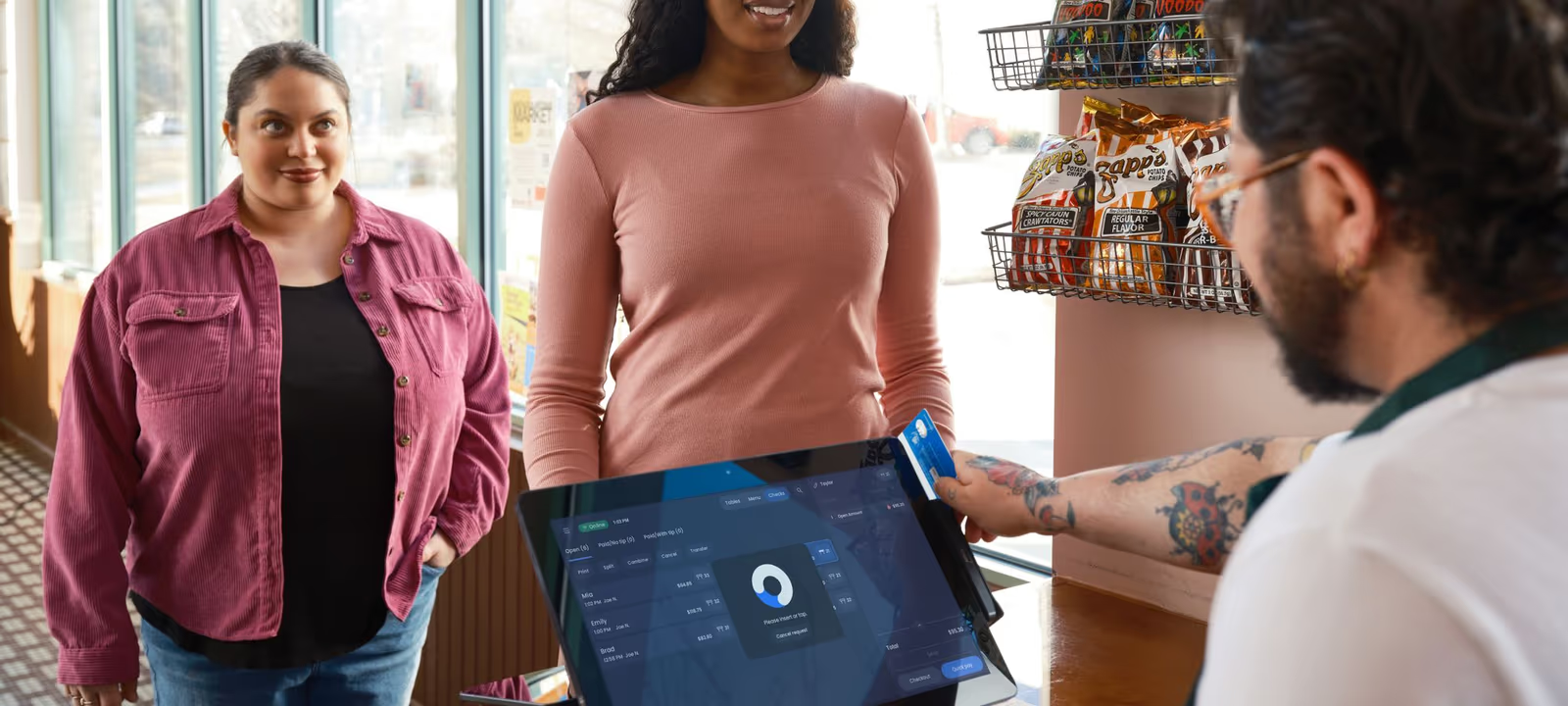 ArticleRetail media networks: why CPG ad budget is movingRetailers built ad networks on top of checkout data, and CPG brands are following the budget. What closed-loop attribution actually measures, and what it costs.Read more
 ArticleQuick commerce: the business model behind 10-minute deliveryQuick commerce promises delivery in minutes, not hours. Why the unit economics are brutal, why India took to it, and why the US model kept stalling.Read more
 ArticlePrivate label vs national brands: who wins which aisleRetailers are not chasing private label everywhere at once. Margin, control and differentiation decide it category by category, and national brands still win some.Read more
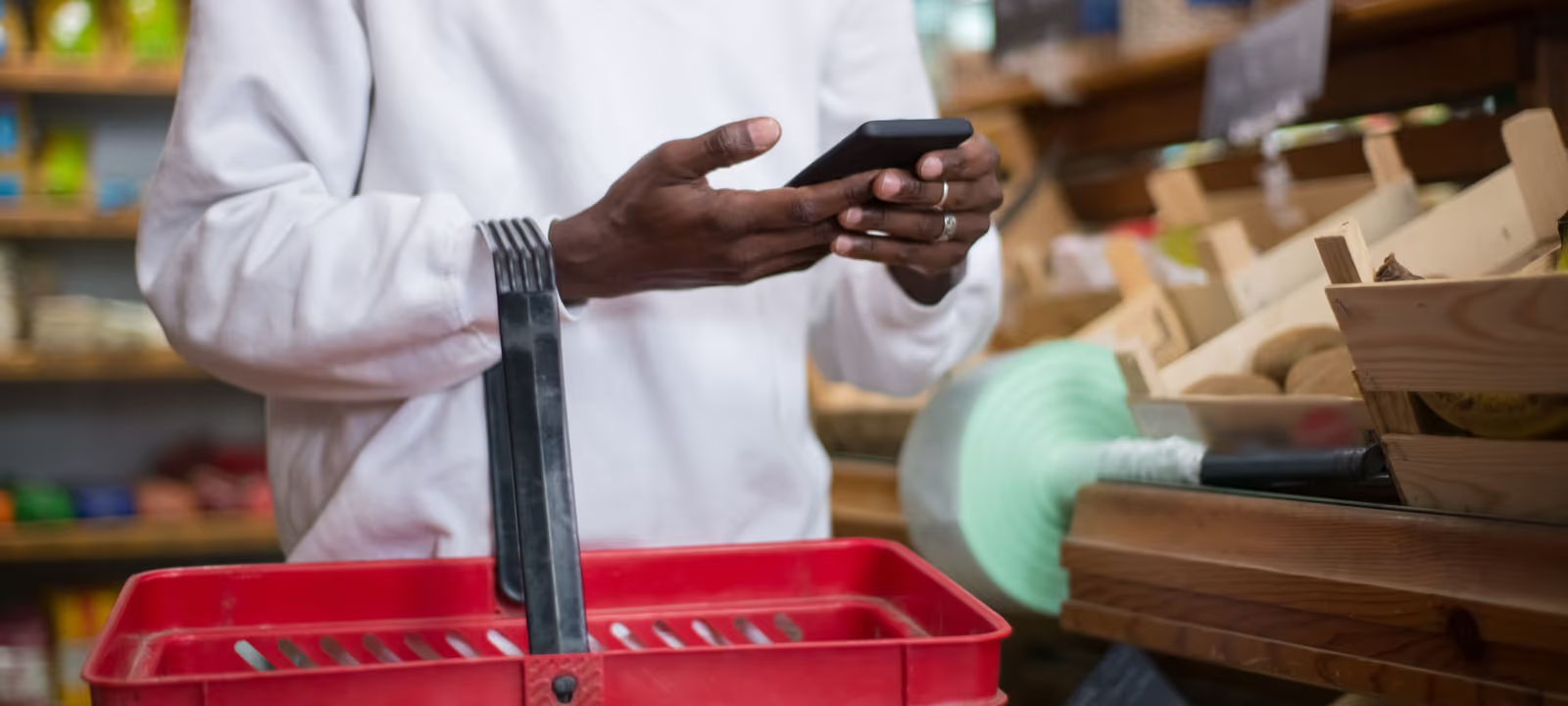 ArticleOmnichannel retail strategy, or just multichannel?Most retailers calling themselves omnichannel are running multichannel with a shared login. What actually joins inventory, pricing, fulfillment and service.Read more
Whether you have a project in mind, want to learn more about the practice, or are working a story, the right person gets back to you.
Already have a decision in mind? Describe the project and the market it touches, and a research lead sets up an initial call to scope the evidence plan.
Start with a briefWorking on a retail or consumer story? We partner with journalists on data, expert commentary and named quotes drawn from our research base.
Contact the press deskRunning a conference, event or industry association? We partner as a knowledge partner, contributing research, speakers and data to your agenda.
Propose a partnershipYour privacy choices
We measure how this site is used and which campaigns bring people here. You can opt out at any time, which also stops any sale or sharing of your personal information for advertising.
Needed for the site to work — your session and your privacy choice itself. Always on.
How pages are found and read, so we can improve them. Never sold, never used to advertise to you.
Records how you move through a page so we can see what is confusing. Typing is masked, and the chat panel and every form are never recorded.
Lets us measure which campaigns bring people here, and show relevant messages elsewhere.