Aftermarket service benchmarking that shows where competitors beat you.
Use service benchmarking to compare your parts and service offer with each rival on price, availability, warranty and workshop preference, and see which gap costs the most share.
- Research plan in 48 hours
- Workshop and dealer interviews
- Field presence in 85 countries
Service benchmarking that names the gaps costing share.

Without a field comparison, lost share gets blamed on price when availability or warranty is the real gap.
See exactly where rivals win
Service benchmarking shows the products and measures where your offer falls short, compared one competitor at a time.
Fund the gaps that cost share
Investment goes to the gaps workshops and customers act on, not the ones they ignore.
Defend the ground you already hold
Know your real advantages in the field, and keep them out of cost-cutting rounds.
Aftermarket service benchmarking, in plain terms.
Aftermarket service benchmarking is a product-for-product comparison of an OEM's parts and service offer against competitors on price, availability, warranty and workshop preference, used to find the gaps costing aftermarket share. Nextyn's benchmarking service builds it from field price and availability checks and interviews with the workshops and service managers who choose between brands.

- A product-for-product comparison with each competitor
- Gaps on price, availability and warranty, ranked
- Workshop brand preference, with the reasons behind it
The calls you can make with confidence.
What you will knowThe products where your price sits out of line with rivals, and by how much, market by market.

What you will knowHow your parts availability and warranty terms compare in the field, and which one workshops act on.

What you will knowWhere your brand stands with workshop owners and mechanics, and the reasons they give for their choice.

Aftermarket Research at work.
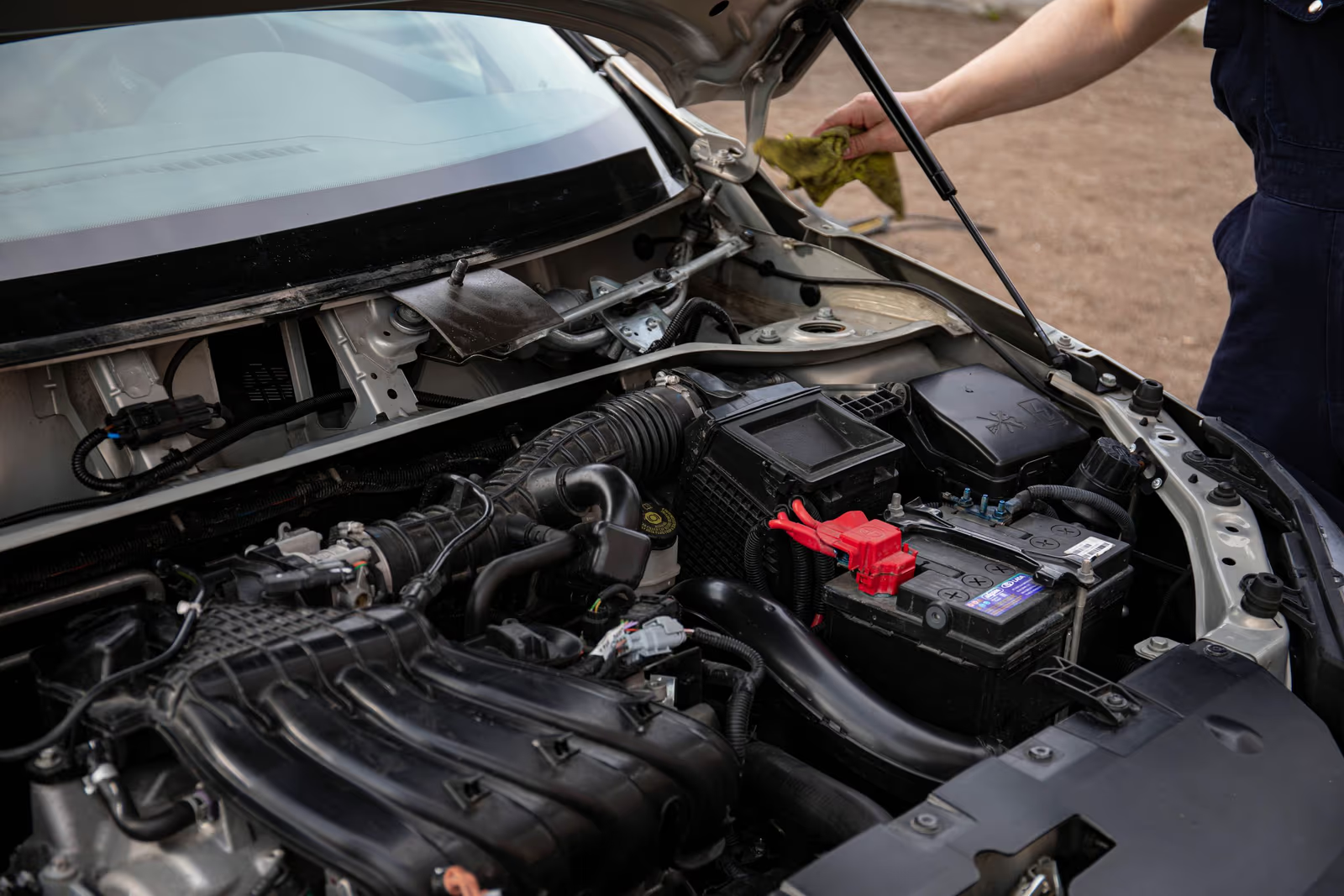
Turning lost replacement-battery share into a growth lever
What it settled100+ face-to-face interviews with OEM-authorized workshops across four European markets showed exactly how much first-replacement battery share was leaking to independents, and why. The findings reshaped the client's dealer incentive design and technology-upsell strategy.
Read the case study

Benchmarking service that checks the counter, not catalogs.
Send us your question. We come back with a plan and a price. Nothing starts until you approve it.
- 01Tell us your question
What you need to know, which markets, and by when.
- 02We send a plan
Who we will speak to, how, and what it costs. Inside 48 hours.
- 03You approve it
Nothing is commissioned until you say yes.
- 04We run it, and read it back
Every interview read together: where they agree, where they conflict, and what is still open.
Frequently asked questions
Aftermarket service benchmarking is a product-for-product comparison of an OEM's parts and service offer against competitors on price, availability, warranty and workshop preference. Aftermarket service means the parts and service an OEM supplies after the sale, and the benchmark traces lost share to its real cause, market by market, instead of assuming price is to blame. Nextyn builds this competitor benchmark from field price and availability checks and interviews with workshops and service managers, drawing on 15,000+ on-ground field researchers.
A Nextyn aftermarket service benchmark delivers three outputs: a product-for-product comparison with each competitor, the gaps on price, availability and warranty ranked by impact, and workshop brand preference with the reasons behind it. Each output comes from field checks and primary interviews, not desk research:
- Competitor comparison: your offer against each rival, product by product
- Ranked gaps: where price, availability or warranty falls short, and by how much
- Workshop preference: the brand workshops choose, and why
Nextyn interviews the four groups that see your offer next to competitors every day: independent workshops, authorized dealer service teams, parts distributors and counters, and fleet or end customers. Each benchmark draws its sample from the markets and product lines where share is slipping, and pairs interviews with field checks of price and availability:
- Independent workshops and mechanics
- Authorized dealer service managers
- Parts distributors and trade counters
- Fleet managers and end customers
Nextyn runs aftermarket service benchmarking in the United States, Canada, Germany and across Europe, among other markets, with field presence in 85 countries and 50+ languages in-house. Markets are agreed at scoping and follow where share is slipping, so a single US region and a four-country European benchmark each get their own sample. Recent Nextyn aftermarket work includes 100+ face-to-face interviews with OEM-authorized workshops across four European markets.
Nextyn recommends commissioning aftermarket service benchmarking when aftermarket share slips in a market and the cause is not clear, and before any price cut is approved. A benchmark shows whether price, availability, warranty or workshop preference is driving the loss, so investment goes to the gap that matters. Other triggers include a new competitor entering the parts market, a warranty policy change, and dealer reports of workshops switching brands. Nextyn sends a research plan within 48 hours of the brief.
A Nextyn aftermarket service benchmarking project runs in four phases, from brief to read-out, and nothing is commissioned until the client approves the plan. The client sees the sample, method and price before any fieldwork, and reads every interview with the Nextyn team at the end.
- Submit the brief: the products, the competitors and the markets where share is slipping.
- Receive a plan within 48 hours: who Nextyn will interview, how, and what the work costs.
- Approve the plan: fieldwork starts only after sign-off.
- Review the read-out: every interview read together, showing where workshops, dealers and customers agree, where they conflict and what is still open.
Nextyn sends a research plan within 48 hours of receiving the brief, stating who will be interviewed, how, and what the work costs. The plan sets the fieldwork length for the products, competitors and markets in scope, so a single-market price check and a multi-country benchmark against several rivals each get their own timeline. Nothing is commissioned until the plan is approved, and every interview is read back with the client at the end.
Nextyn's aftermarket service benchmarking is a competitor benchmark that checks price, availability and warranty where parts are actually sold, while desk research compiles published price lists, catalogs and competitor websites. Desk research shows what competitors say they offer, and the field benchmark shows what workshops and customers actually meet at the counter.
| Nextyn service benchmarking | Desk research | |
|---|---|---|
| Scope | Product-for-product, in each market's channels | Published offers and catalogs |
| Evidence | Field checks and workshop interviews | Price lists, websites and reports |
| Output | Ranked gaps and workshop brand preference | A feature and list-price comparison |
| Timing | A research plan in 48 hours, then fieldwork | Fast, but limited to what is published |