Consumer sustainability surveys that test claims before they reach the pack.
Do your shoppers care enough to pay? Know which sustainability claims they believe, which earn a premium and which read as greenwash, while pack and price can still change.
- Research plan in 48 hours
- Claims tested with your own shoppers
- 85+ countries, 50+ languages
Consumer sustainability trends seen through your shoppers.

An untested claim can cost twice: a premium shoppers refuse to pay, and a greenwash charge that sticks to the brand.
Put believable claims on pack
Lead with the sustainability claims your shoppers find credible, and drop the ones they do not.
Price the green premium right
How much more, if anything, each shopper segment will pay for the sustainable option.
Catch greenwash risk before launch
The claims and wording shoppers read as exaggerated, found before they reach pack or media.
Consumer sustainability statistics from your own category.
Consumer sustainability surveys are studies that ask shoppers how much sustainability matters to them and how they respond to a brand's environmental and social claims, testing whether each claim is believed, supports a higher price or reads as greenwashing. Nextyn runs each survey with the category's own shoppers, alongside in-depth interviews that explain the scores.
- A claim credibility ranking
- Willingness to pay by shopper segment
- Greenwash risk flags on claims and wording
Do consumers care about sustainability enough to pay for it.
What you will knowThe claims shoppers find credible and relevant enough to change their choice at the shelf.

What you will knowThe shopper segments that accept a premium for the sustainable option, and the price where resistance starts.

What you will knowThe claims shoppers distrust, the wording that makes them read as greenwash, and what to say instead.

Consumer demand for sustainable fashion is measured, not assumed.
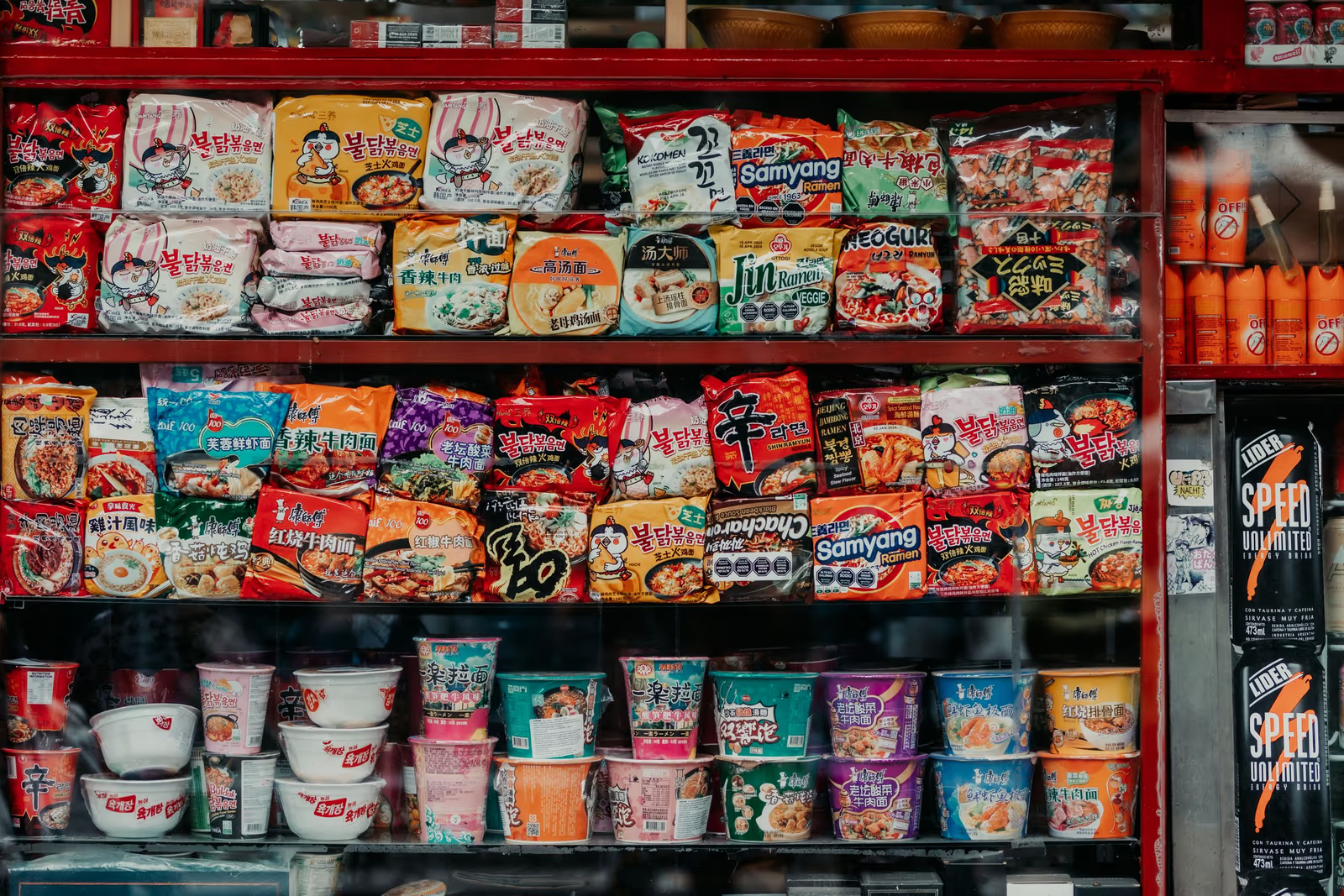
De-risking an instant-noodle launch before market entry
What it settledUsed focus groups, in-home usage tests and supermarket audits to test flavors, packaging, price and segment-specific propositions. Decision informed: final flavor, packaging, price point and messaging by target segment.
Read the case study

Which decision is waiting on better evidence?
Send us your question. We come back with a plan and a price. Nothing starts until you approve it.
- 01Tell us your question
What you need to know, which markets, and by when.
- 02We send a plan
Who we will speak to, how, and what it costs. Inside 48 hours.
- 03You approve it
Nothing is commissioned until you say yes.
- 04We run it, and read it back
Every interview read together: where they agree, where they conflict, and what is still open.
How important is sustainability to consumers answered for your category.
A consumer sustainability survey asks shoppers how important sustainability is to them, and how they judge the environmental and social claims brands make. Used before launch, the survey tests specific claims, pack wording and price premiums with the people who will see them on shelf. Nextyn runs each survey with the category's own shoppers and has researched shoppers in 85+ countries and 50+ languages.
A Nextyn consumer sustainability survey asks shoppers three kinds of question: whether each claim is believed, how much more they will pay for the sustainable option, and which wording reads as greenwash. The answers become three outputs, run before claims reach pack or media:
- Claim credibility ranking: every claim scored on belief and relevance to purchase
- Willingness to pay by shopper segment: the premium each segment accepts, and where resistance starts
- Greenwash risk flags: the claims and words shoppers read as exaggerated, with safer alternatives
Nextyn surveys and interviews the shoppers who decide whether a claim works: current buyers of the brand, buyers of rival brands, and shoppers who say sustainability shapes what they buy. Each study matches the sample to the category and the markets in scope, and uses three methods:
- Shopper surveys that score each claim and test price points by segment
- In-depth interviews and focus groups that explain why a claim is believed or doubted
- Pack and concept tests that show claims in context, as shoppers would see them on shelf
Nextyn runs consumer sustainability surveys in the United States and Canada, among other markets, and the retail and CPG practice has researched shoppers in 85+ countries and 50+ languages. Markets are agreed at scoping, since shoppers in each country read claims, wording and premiums differently. A multi-market survey tests the same claims in the local language of each country, so results compare like for like.
Nextyn recommends a consumer sustainability survey before a sustainability claim goes on pack or into media, before a sustainable range is priced, or when shoppers start to question a claim. At that stage claims and wording can still change for the cost of a study, not a reprint or a public correction. Nextyn sends a research plan within 48 hours of the brief.
A Nextyn consumer sustainability survey runs in four steps, from brief to read-out, and nothing is commissioned until the client approves the plan. The client sees the sample, method and price before any fieldwork, and reads every interview with the Nextyn team at the end.
- Submit the brief: the claims, the category and the markets the survey must cover.
- Receive a plan within 48 hours: who Nextyn will survey and interview, how, and what the work costs.
- Approve the plan: fieldwork starts only after sign-off.
- Review the read-out: every interview read together with the survey results, showing where shopper groups agree, where they conflict and what is still open.
Nextyn sends a consumer sustainability survey plan within 48 hours of receiving the brief, stating who will be surveyed and interviewed, how, and what the work costs. The plan sets the fieldwork length for the claims, markets and shopper groups in scope, so a one-country claim test and a multi-market study each get their own timeline. Nothing is commissioned until the client approves the plan.
Nextyn's consumer sustainability survey measures how one category's shoppers read and pay for a brand's own claims, while published sustainability statistics describe consumers in general. Published figures show how much consumers say they care, and the survey shows whether a specific claim on a specific pack changes what they buy.
| Nextyn consumer sustainability survey | Published sustainability statistics | |
|---|---|---|
| Scope | One category, its claims and its price points | Consumers in general |
| Evidence | New surveys and interviews with the category's shoppers | Existing studies and secondary sources |
| Output | Claim ranking, willingness to pay and greenwash flags | Headline percentages and trend summaries |
| Timing | A research plan in 48 hours, then fieldwork | Published on the publisher's schedule |