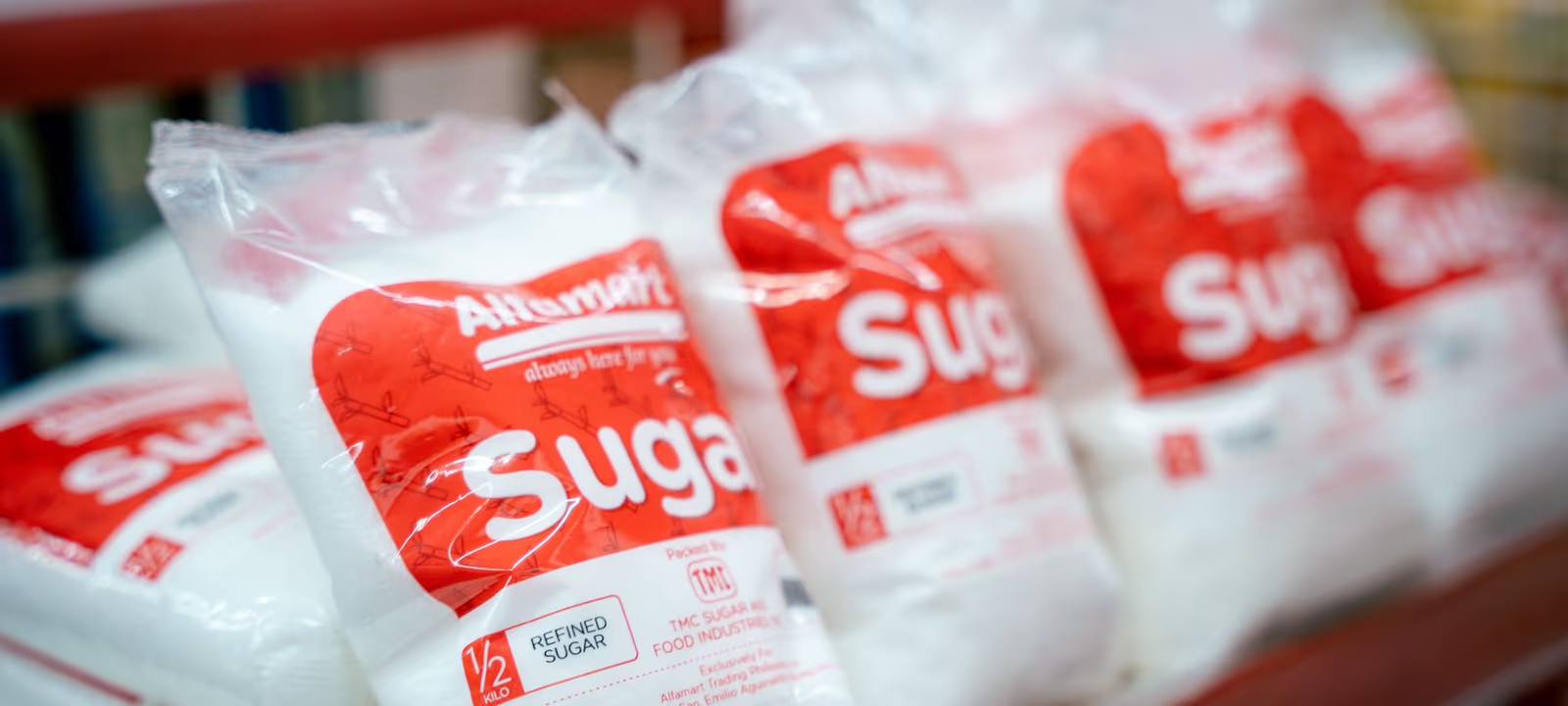
Retailers expand private label where it buys margin, shelf control or a point of difference, typically in commoditized categories like dairy, paper goods and packaged staples. National brands hold ground where innovation, advertising reach and consumer trust are what actually move volume, such as in snacks, beauty and categories with strong loyalty.
Why are retailers pushing private label harder?
Margin is the first reason, but not the only one. A private label item typically carries a wider retail margin than the national brand next to it, because the retailer is not paying for the manufacturer's advertising, sales force or trade spend built into that brand's wholesale price. That gap widens further when the retailer owns the recipe or spec and can move sourcing between plants to defend it.
The second reason is control. A retailer that owns its label sets the price, the pack size and the reformulation timeline without negotiating with a supplier who has its own margin targets and national account priorities. That control becomes more valuable during input cost swings, when a retailer that depends entirely on national brand pricing decisions has no lever of its own to pull.
- 01
Map category commoditization
Identify where products are functionally interchangeable and price-led.
- 02
Test the value tier
Launch alongside the national brand before considering a full swap.
- 03
Price against control, not just cost
Weigh the margin gain against the cost of owning specification and supply.
- 04
Recheck loyalty categories periodically
Innovation and trust erode slowly, so retest rather than assume they hold.
Where do national brands still win?
Categories where the purchase is driven by innovation or by a name the shopper already trusts. A national brand's R&D budget produces new formats, flavors and formulations faster than most private label programs can copy them, and being first to shelf with something genuinely new is worth more than a lower price on the old version.
Marketing muscle matters just as much. A brand with sustained national advertising builds recognition that shows up as a shopper reaching for it without comparing the price tag, and that habit is expensive for a retailer to break with shelf tags alone. Categories with high emotional or trust content, infant nutrition, over-the-counter medicine, premium beauty, tend to resist private label substitution longest for exactly this reason.
What's the difference between private label and white label?
Private label is a product made to a retailer's own specification and sold exclusively under that retailer's brand. The retailer typically controls the formulation, packaging and often the supplier relationship, and no other chain can buy the identical item. This is the model behind most store-brand grocery, from milk to cleaning products.
White label is a generic product made by a manufacturer to a standard specification, then sold to multiple retailers who simply apply their own label to the same underlying item. The product itself is identical across sellers; only the packaging changes. Retailers building a genuine assortment strategy generally lean toward private label because it lets them differentiate on more than just price, while white label suits categories where speed to shelf and low cost matter more than distinctiveness.
| Private label | National brand | |
|---|---|---|
| Owned by | The retailer | The manufacturer |
| Wins on | Margin, control, price | Innovation, trust, marketing reach |
| Sold at | One retailer exclusively | Many retailers at once |
How do retailers decide, category by category?
The decision usually starts with how commoditized the category already is. In categories where products are functionally interchangeable and shoppers already compare on price, paper towels, canned vegetables, basic dairy, private label can capture share quickly because there is little brand loyalty to overcome. Retailers doing this well lean on category and shopper research to confirm where price sensitivity is real rather than assumed.
In categories with strong innovation cycles or high switching cost, private label expansion moves more cautiously, often starting with a value tier alongside the national brand rather than a full replacement. The retailer tests whether shoppers will trade down before committing shelf space, because pulling a national brand that still drives store traffic can cost more in lost visits than it gains in margin.
What does the right balance actually look like?
Most retailers that manage this well are not trying to maximize private label share everywhere. They are matching the format to the category: private label where control and margin matter most, national brands where innovation and trust still do the selling, and a value tier in between where the answer isn't yet clear.
The categories in the middle are where the real work happens, and they shift over time as input costs, private label quality and brand loyalty all move independently. A retailer's own media and promotional data increasingly shapes that judgment too, which is part of why retail media has become as important to assortment decisions as the shelf itself.