Mystery shopping services that explain why shoppers walk past your brand.
See your stores and your shelf the way shoppers do, and hear in their own words why they pick a rival, put your product back or leave empty-handed.
- Research plan in 48 hours
- Store visits plus shopper exit interviews
- 50+ languages used in research
Decide with evidence, not instinct.
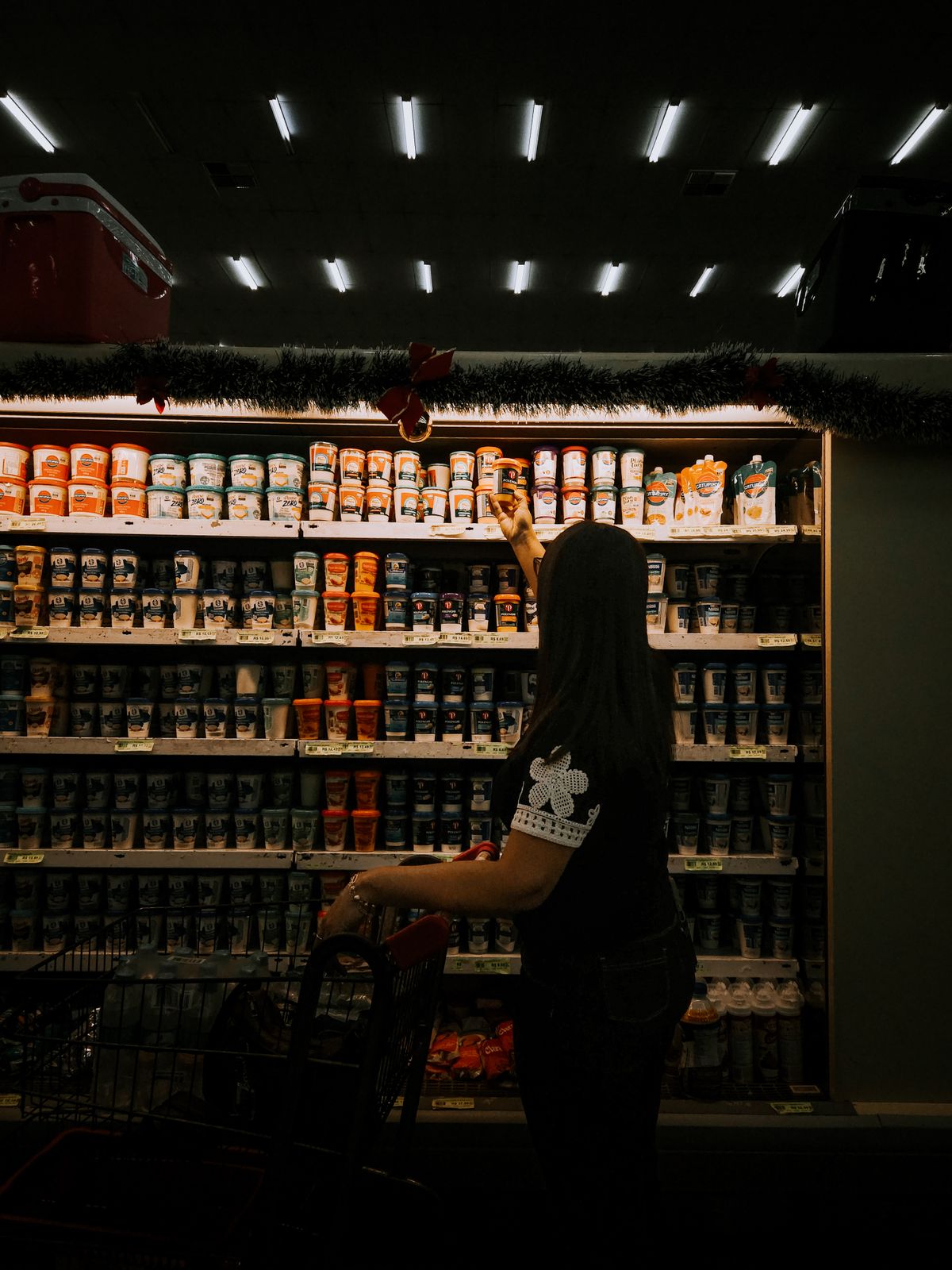
Without the shopper's view, lost sales get blamed on price while the real barrier sits somewhere else in the store.
Hear why shoppers pick a rival
The reasons shoppers give, and the behavior researchers observe, behind each choice at the shelf.
Remove what stops the sale
The barriers between shopper and checkout, from finding the product to trusting it, ranked by frequency.
Build the store around the trip
The missions shoppers come in for, so range, layout and displays serve the trip they make.
Mystery shopping services, in plain terms.
Mystery shopping services are store visits made by researchers posing as ordinary shoppers, recording what the trip is really like, from finding a product to paying for it. Nextyn, a market research firm, pairs those visits with shopper exit interviews, so the findings explain shopping missions, brand choice, purchase barriers and the reasons shoppers switch.

- Store experience findings, outlet by outlet
- Shopper missions and brand choice, summarized
- Purchase barriers and switching reasons, ranked
The calls you can make with confidence.
What you will knowThe stated and observed reasons behind brand choice at the shelf, by store type.

What you will knowThe barriers that end a purchase, from hard-to-find stock to confusing packs, ranked by how many shoppers raise them.
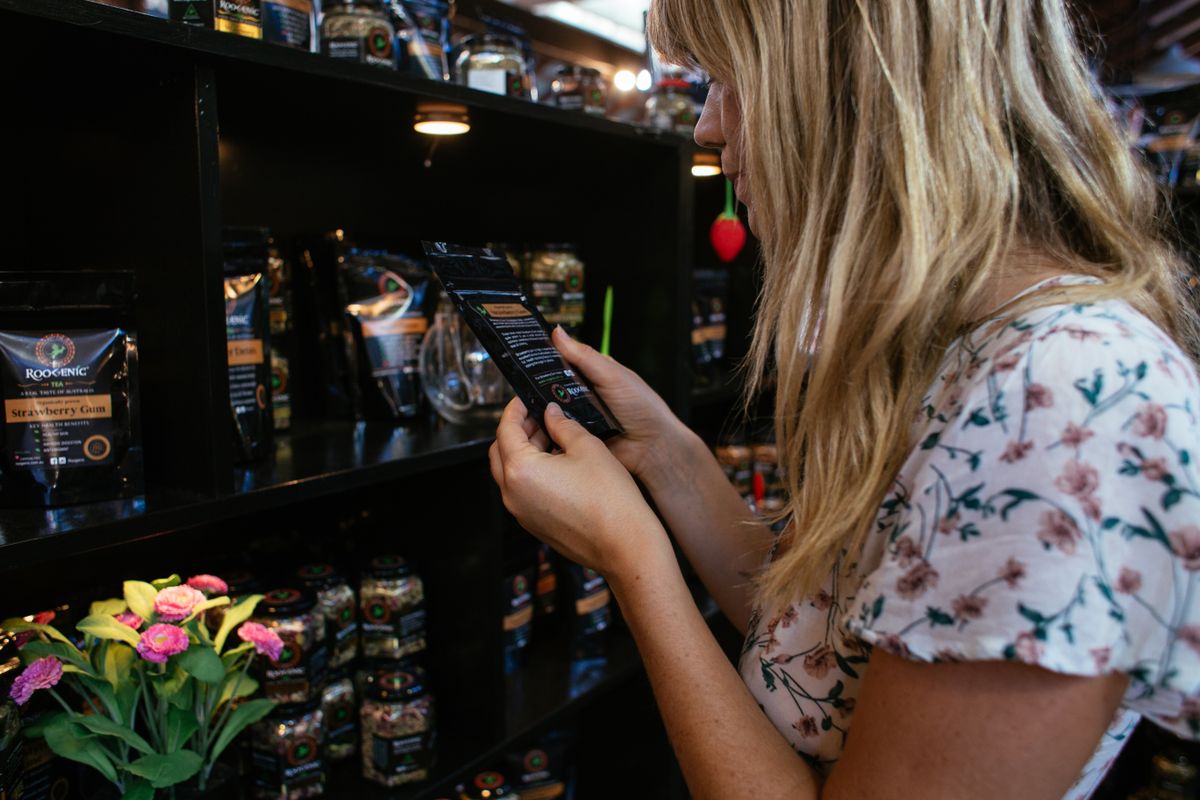
What you will knowThe main shopping missions in your category and how they change from one store format to another.

Retail & CPG Market Research at work.
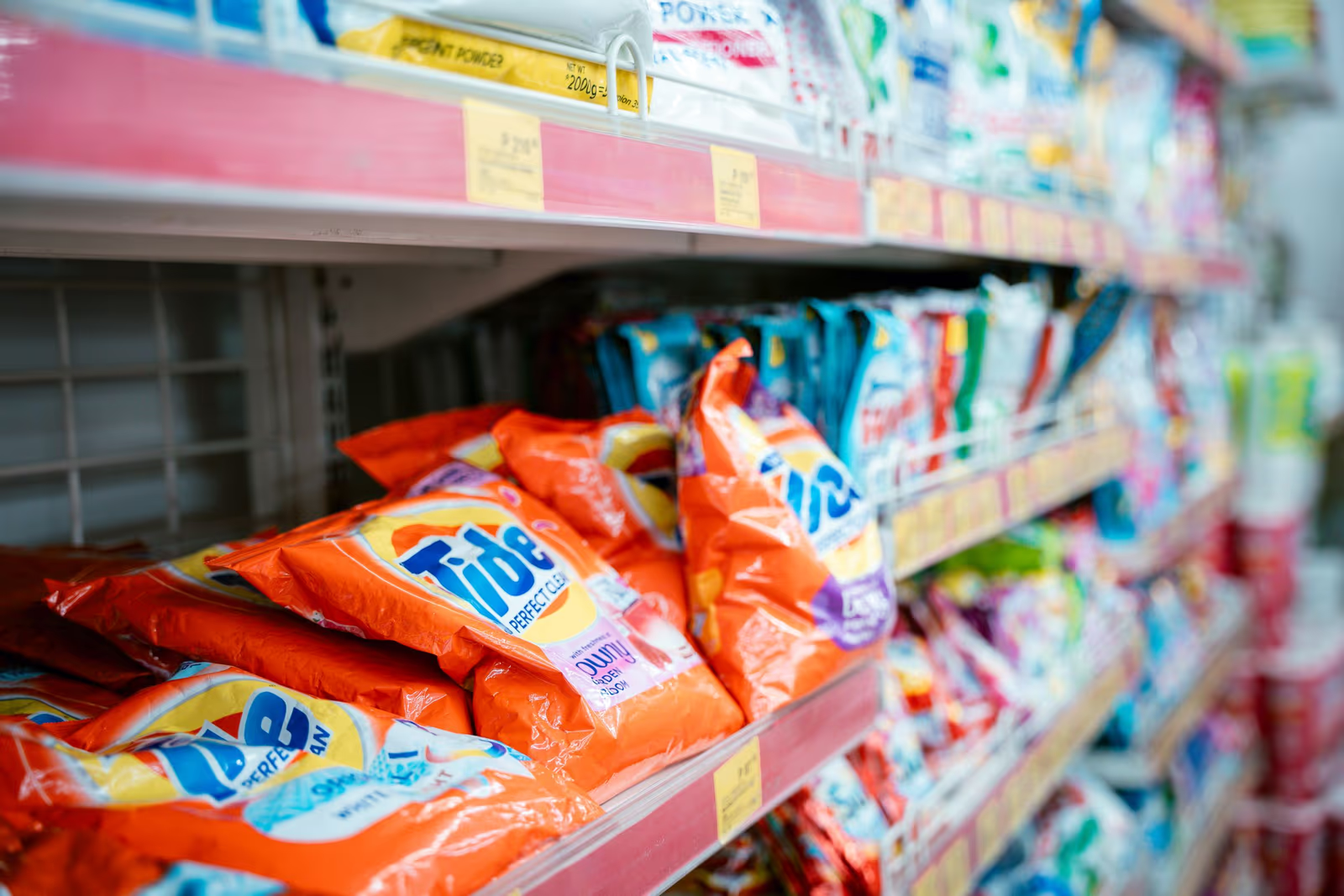
Recalibrating household-care growth after shopper behavior shifted
What it settledCombined expert and consumer interviews, retail audits and exit interviews to compare category health, formats, channels and shopper needs across 20 countries. Decision informed: distribution priorities, product-launch sequencing and format emphasis by market.
Read the case study
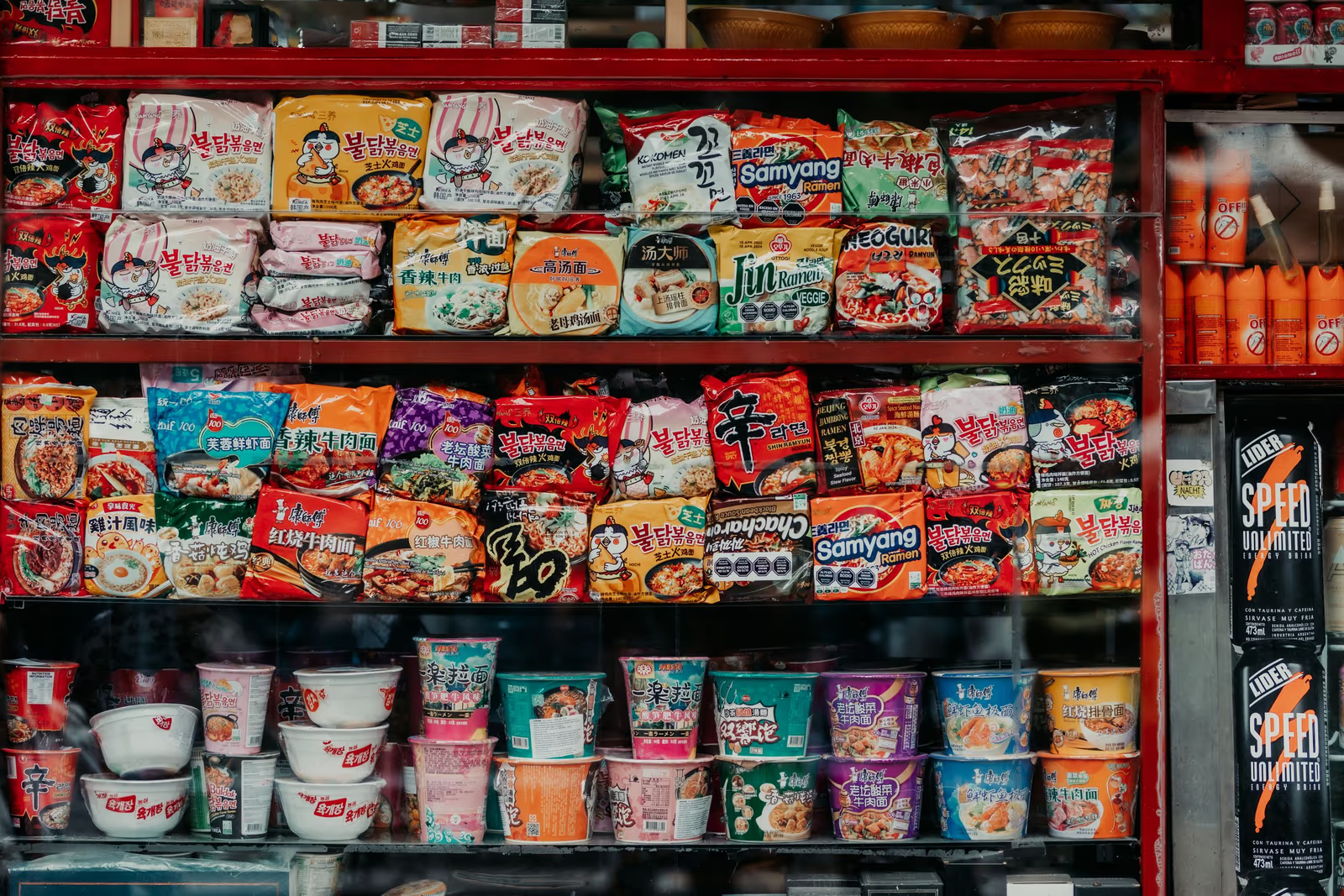
Mystery shopping companies that explain shopper choice.
Send us your question. We come back with a plan and a price. Nothing starts until you approve it.
- 01Tell us your question
What you need to know, which markets, and by when.
- 02We send a plan
Who we will speak to, how, and what it costs. Inside 48 hours.
- 03You approve it
Nothing is commissioned until you say yes.
- 04We run it, and read it back
Every interview read together: where they agree, where they conflict, and what is still open.
Frequently asked questions
Mystery shopping services are anonymous store visits made by researchers posing as ordinary shoppers, recording what a real shopping trip is like from entrance to checkout. Retailers use them to score service and experience; brands use them to see how their products are found, judged and chosen at the shelf. Nextyn pairs the visits with shopper exit interviews, so the findings explain why shoppers choose, reject or switch brands. Nextyn's retail research has covered more than 85 countries in over 50 languages.
A Nextyn mystery shopping study delivers three outputs: store experience findings outlet by outlet, a summary of shopper missions and brand choice, and a ranked list of purchase barriers and switching reasons. Each output comes from anonymous store visits checked against shopper exit interviews:
- Store experience findings: what a shopper meets at each outlet, from finding the product to paying
- Missions and brand choice: why shoppers came in and how they chose at the shelf
- Barriers and switching reasons: what ended a purchase or sent a shopper to a rival, ranked
Nextyn combines anonymous store visits with interviews in three groups: shoppers on exit, shoppers who chose a rival brand, and store staff. Visits are made by Nextyn's own trained research network of more than 15,000, and Nextyn does not offer mystery shopper jobs:
- Anonymous visits, recording the store experience as an ordinary shopper meets it
- Shoppers in exit interviews, on their mission, choice and any barrier they hit
- Rival-brand buyers, on why they chose the competitor over your product
- Store staff, on what shoppers ask for and what they cannot find
Nextyn runs mystery shopping in the United States, Canada and Mexico, among other markets, with research in more than 85 countries and over 50 languages. Markets, retailers and store formats are agreed at scoping, so a US grocery study and a multi-country European program each get visits and interviews in the local language. Recent Nextyn retail work includes store visits and exit interviews across Canada, Brazil and Mexico, and exit interviews across 20 countries for a household-care category.
Nextyn recommends mystery shopping at three points: when sales fall and price does not explain the drop, when shoppers are moving to a rival, and before a change to range, packaging or store layout. At each point, the shopper's view shows which barrier to remove first, before budget goes into price cuts. A study before the change also gives a baseline to measure the change against.
A Nextyn mystery shopping project runs in four steps, from brief to read-out, and nothing is commissioned until the client approves the plan. The client sees the store sample, visit script and price before any fieldwork, and reviews every finding with the Nextyn team at the end.
- Submit the brief: the category, retailers and markets, and the sales question the study must answer.
- Receive a plan within 48 hours: which stores will be visited, which shoppers will be interviewed and what the work costs.
- Approve the plan: fieldwork starts only after sign-off.
- Review the read-out: visits and interviews read together, showing where shoppers agree, where they conflict and what is still open.
Nextyn sends a research plan within 48 hours of receiving the brief, stating which stores will be visited, who will be interviewed and what the work costs. The plan sets the fieldwork length for the retailers, formats and markets in scope, so a single-city study and a multi-country program each get their own timeline. Nothing is commissioned until the plan is approved. Visit days and times are set in the plan to match real shopping trips.
Nextyn mystery shopping explains why shoppers choose, reject or switch brands, while a standard mystery shopping program scores store staff against a service checklist. The two answer different questions: the checklist grades the visit, and Nextyn's study pairs visits with exit interviews to explain lost sales.
| Nextyn mystery shopping | Standard mystery shopping program | |
|---|---|---|
| Scope | One category's shoppers, missions and brand choice | Staff service and store standards |
| Evidence | Anonymous visits plus shopper exit interviews | Visit checklists and scores |
| Output | Experience findings, missions summary and ranked barriers | Compliance scores by store |
| Timing | A research plan in 48 hours, then fieldwork | Recurring visits on a fixed schedule |
A Nextyn mystery shopping report contains three things: store experience findings outlet by outlet, a summary of shopper missions and brand choice, and a ranked list of purchase barriers and switching reasons. Each finding comes from anonymous store visits checked against shopper exit interviews, so the report shows what a shopper met in store and why they bought, put a product back or left for a rival.