Self-checkout research that tests readiness before you roll out.
Know which shoppers will use self-checkout kiosks, scan-and-go or a new store format, what would win over the rest, and which stores should go first.
- Research plan in 48 hours
- Shopper intercepts and exit interviews
- 85+ countries researched
Decide with evidence, not instinct.

Store technology rolled out on vendor promises can sit unused, or push away shoppers who preferred a staffed lane.
Roll out where shoppers are ready
Investment sequenced by the stores and shopper groups most likely to adopt.
Avoid stranded store technology
Learn whether shoppers will use the machines or format before the capital is spent.
Know what wins reluctant shoppers
What encourages shoppers to try new technology, and what puts them off for good.
Self-checkout research, in plain terms.
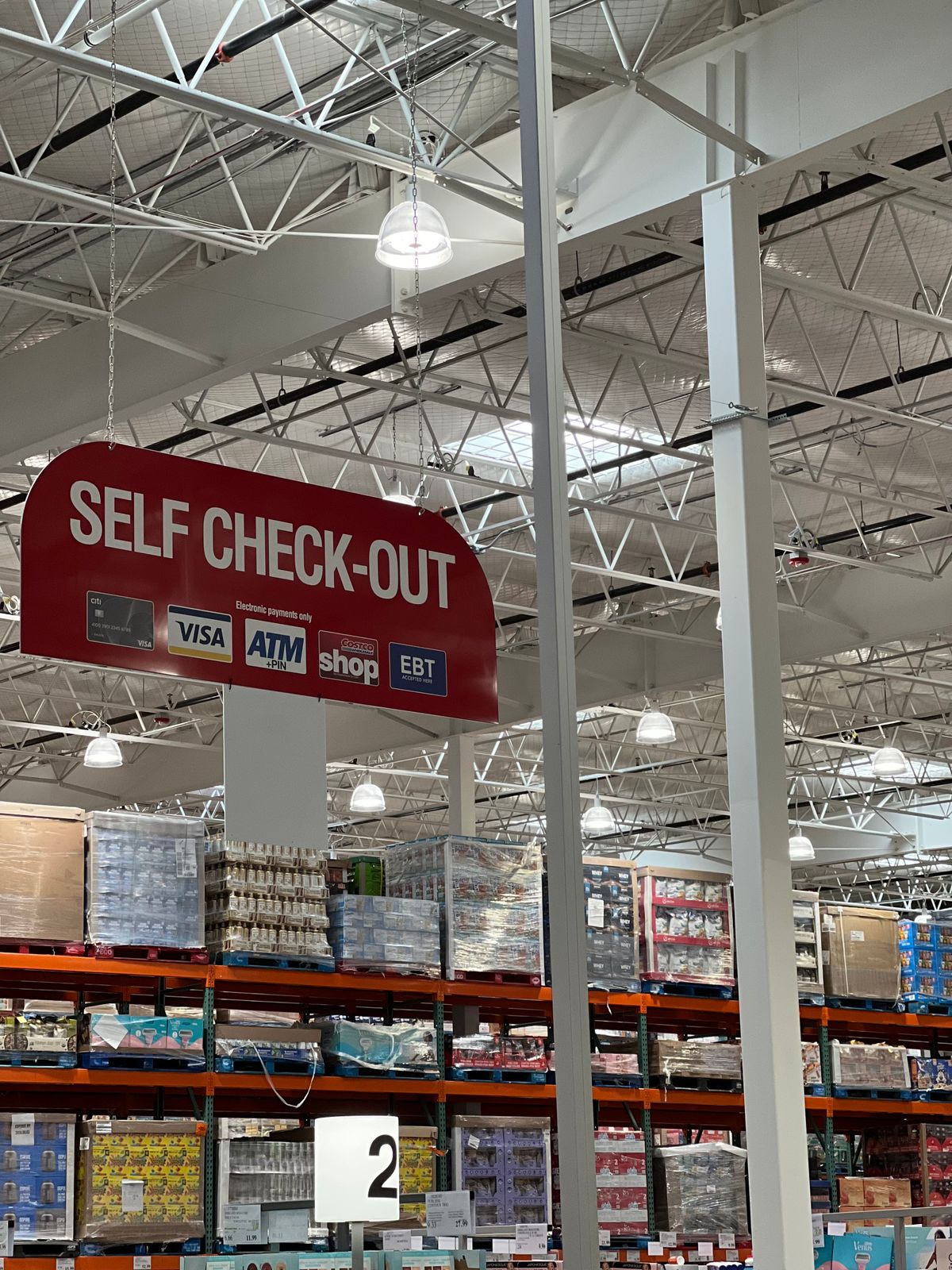
Self-checkout research is the study of how shoppers respond to self-service store technology, from self-checkout kiosks to scan-and-go and new store formats, testing readiness before rollout. Nextyn runs shopper intercepts, exit interviews and store visits alongside interviews with store staff, so a retailer knows what to roll out, where and for whom.
- Readiness by shopper group and store type
- Drivers of and barriers to use
- Rollout priorities by format
The calls you can make with confidence.
What you will knowWhich shopper groups will use them willingly, which reluctantly, and which will avoid them altogether.

What you will knowThe store types and shopping missions where readiness is highest and the case for rollout is strongest.

What you will knowHow shoppers respond to the format, and what would need to change before they use it.
Retail & CPG Market Research at work.
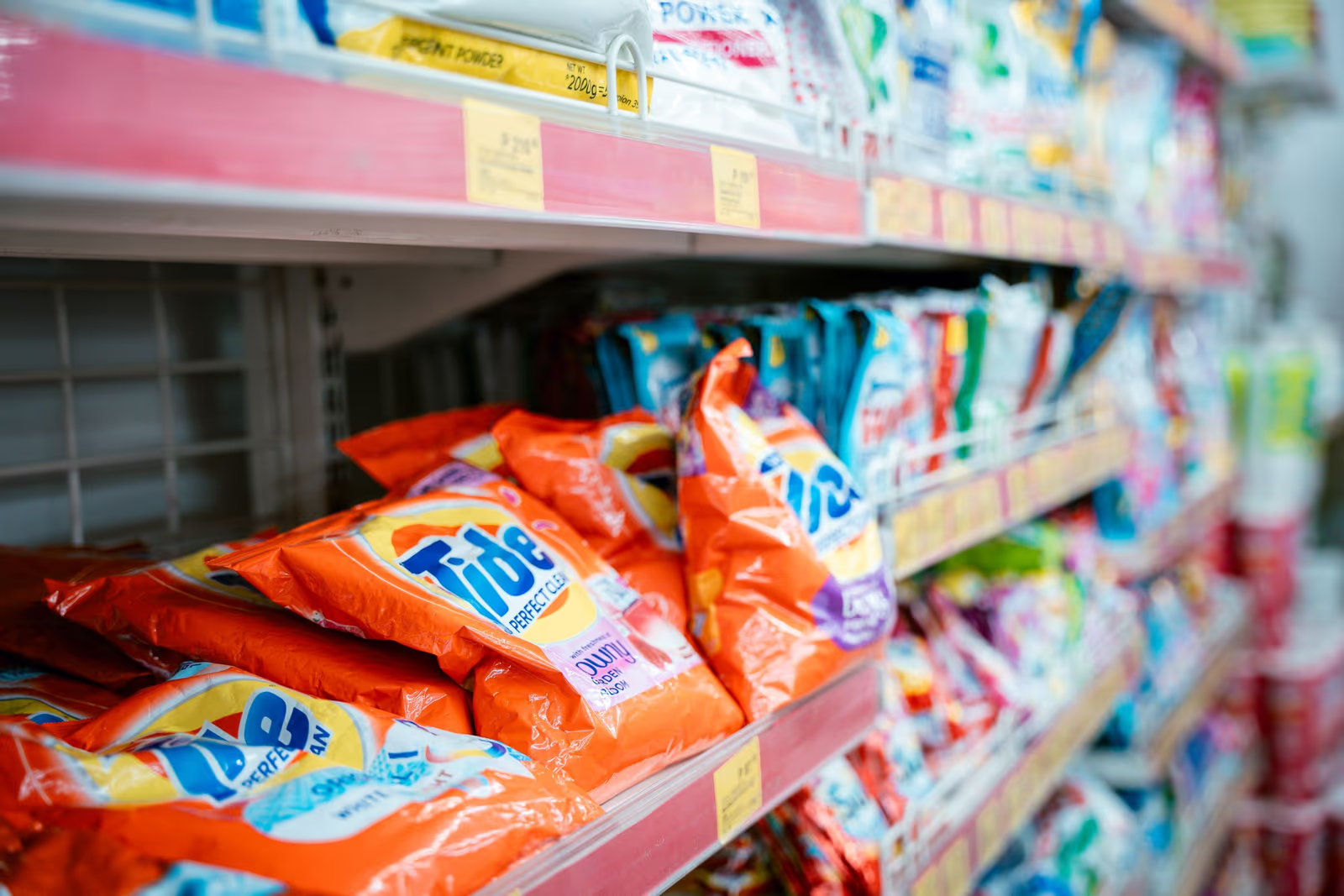
Recalibrating household-care growth after shopper behavior shifted
What it settledCombined expert and consumer interviews, retail audits and exit interviews to compare category health, formats, channels and shopper needs across 20 countries. Decision informed: distribution priorities, product-launch sequencing and format emphasis by market.
Read the case study
Which decision is waiting on better evidence?
Send us your question. We come back with a plan and a price. Nothing starts until you approve it.
- 01Tell us your question
What you need to know, which markets, and by when.
- 02We send a plan
Who we will speak to, how, and what it costs. Inside 48 hours.
- 03You approve it
Nothing is commissioned until you say yes.
- 04We run it, and read it back
Every interview read together: where they agree, where they conflict, and what is still open.
Frequently asked questions
Self-checkout research is the study of how shoppers respond to scanning and paying for their own items, at a self-checkout kiosk or machine or with scan-and-go, before a retailer commits to a rollout. The research shows which shoppers will use self-checkout kiosks, what puts others off and where a rollout should start. Nextyn builds each study from shopper intercepts, exit interviews and store visits, and has researched shoppers in 85+ countries.
A Nextyn self-checkout study delivers three outputs: readiness by shopper group and store type, the drivers of and barriers to use, and rollout priorities by format. Each output comes from primary research with shoppers and store staff, not from vendor case studies:
- Readiness: which shopper groups will use the technology willingly, reluctantly or not at all
- Drivers and barriers: what encourages use and what puts shoppers off, in their own words
- Rollout priorities: which stores, missions and formats to start with
Nextyn interviews the four groups that decide whether store technology works: shoppers who use self-service, shoppers who avoid it, store staff who run the lanes, and store operations managers. Each study matches the sample to the store types, formats and markets in scope:
- Shoppers who use self-checkout or scan-and-go today, through intercepts at the lane
- Shoppers who avoid it, through exit interviews after a staffed checkout
- Store staff who help shoppers at the lanes and see where they struggle
- Store operations managers who weigh queue time, shrink and staffing
Nextyn runs self-checkout research in the United States and Canada, among other markets, and the retail and CPG practice has researched shoppers in 85+ countries and 50+ languages. Markets are agreed at scoping, since shopper comfort with self-service differs by country, store type and shopper group. Recent Nextyn work used retail audits and exit interviews across 20 household-care markets, and store visits and exit interviews in Canada, Brazil and Mexico.
Nextyn recommends self-checkout research twice: before a self-checkout, scan-and-go or new format pilot, and again once the pilot is live, before the rollout decision. Before a pilot, the research picks the stores and shopper groups to test with, and after it, the same questions show whether shoppers will adopt the technology across the estate. Nextyn sends a research plan within 48 hours of the brief.
A Nextyn self-checkout research project runs in four steps, from brief to read-out, and nothing is commissioned until the client approves the plan. The client sees the sample, method and price before any fieldwork, and reads every interview with the Nextyn team at the end.
- Submit the brief: the technology or format, the store types and the rollout decision the research must settle.
- Receive a plan within 48 hours: who Nextyn will interview, how, and what the work costs.
- Approve the plan: fieldwork starts only after sign-off.
- Review the read-out: every interview read together, showing where shoppers and store staff agree, where they conflict and what is still open.
Nextyn sends a self-checkout research plan within 48 hours of receiving the brief, stating who will be interviewed, how, and what the work costs. The plan sets the fieldwork length for the store types, formats and markets in scope, so a handful of pilot stores and a national estate review each get their own timeline. Nothing is commissioned until the client approves the plan.
Nextyn's self-checkout research asks shoppers and store staff whether they will use the technology and why, while a vendor pilot report measures how the vendor's own system performed in its pilot stores. The vendor shows the system works, and the research shows whether the retailer's shoppers want it.
| Nextyn self-checkout research | Vendor pilot report | |
|---|---|---|
| Scope | The retailer's shoppers, stores and formats | The vendor's pilot stores |
| Evidence | New intercepts, exit interviews and staff interviews | System usage and transaction logs |
| Output | Readiness, drivers and barriers, rollout priorities | Uptime, throughput and usage rates |
| Timing | A research plan in 48 hours, then fieldwork | At the end of the vendor's pilot |