Parts fill rate analysis that counts what stockouts really cost.
Find out whether customers get the right part when they need it, from the channel they trust, and how many sales walk out the door when they cannot.
- Research plan in 48 hours
- Counter checks and channel interviews
- Field presence in 85 countries
Decide with evidence, not instinct.
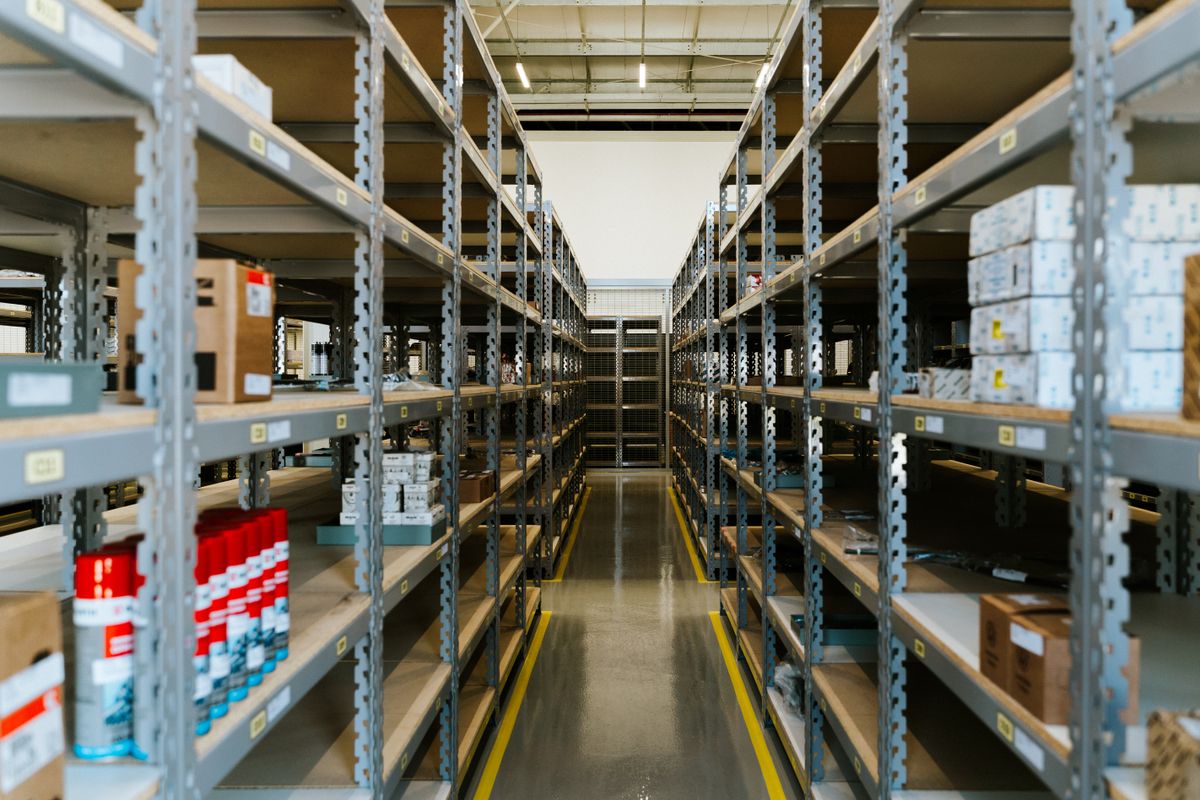
Internal fill rates can look healthy while customers at the counter meet delays, substitutes and unauthorized parts.
Put a number on lost parts sales
Sales lost to stockouts, delays and unauthorized parts, estimated by cause and channel.
See availability as customers do
Beyond the parts fill rate formula: what happens when a customer asks for your part, channel by channel.
Fix the costliest stockouts first
Stocking and lead-time fixes aimed at the parts and channels losing the most sales.
Parts fill rate analysis, in plain terms.
Parts fill rate analysis is the measure of whether a customer gets the right part, when needed, from the channel they trust, checked from the customer's side rather than the fill rate formula applied to the order book. Nextyn builds it from mystery shopping at parts counters and interviews with workshops and distributors on stockouts, lead times and substitutes.

- Availability and lead times, channel by channel
- What customers are offered when a part is missing
- A lost sales estimate by cause
The calls you can make with confidence.
What you will knowThe share of requests filled on the spot, by channel, and the wait when the part is not on the shelf.

What you will knowLost parts sales estimated by cause: stockouts, long lead times and customers who buy elsewhere.

What you will knowWhen a substitute or unauthorized part is sold instead, and which channels sell them most.

Aftermarket Research at work.
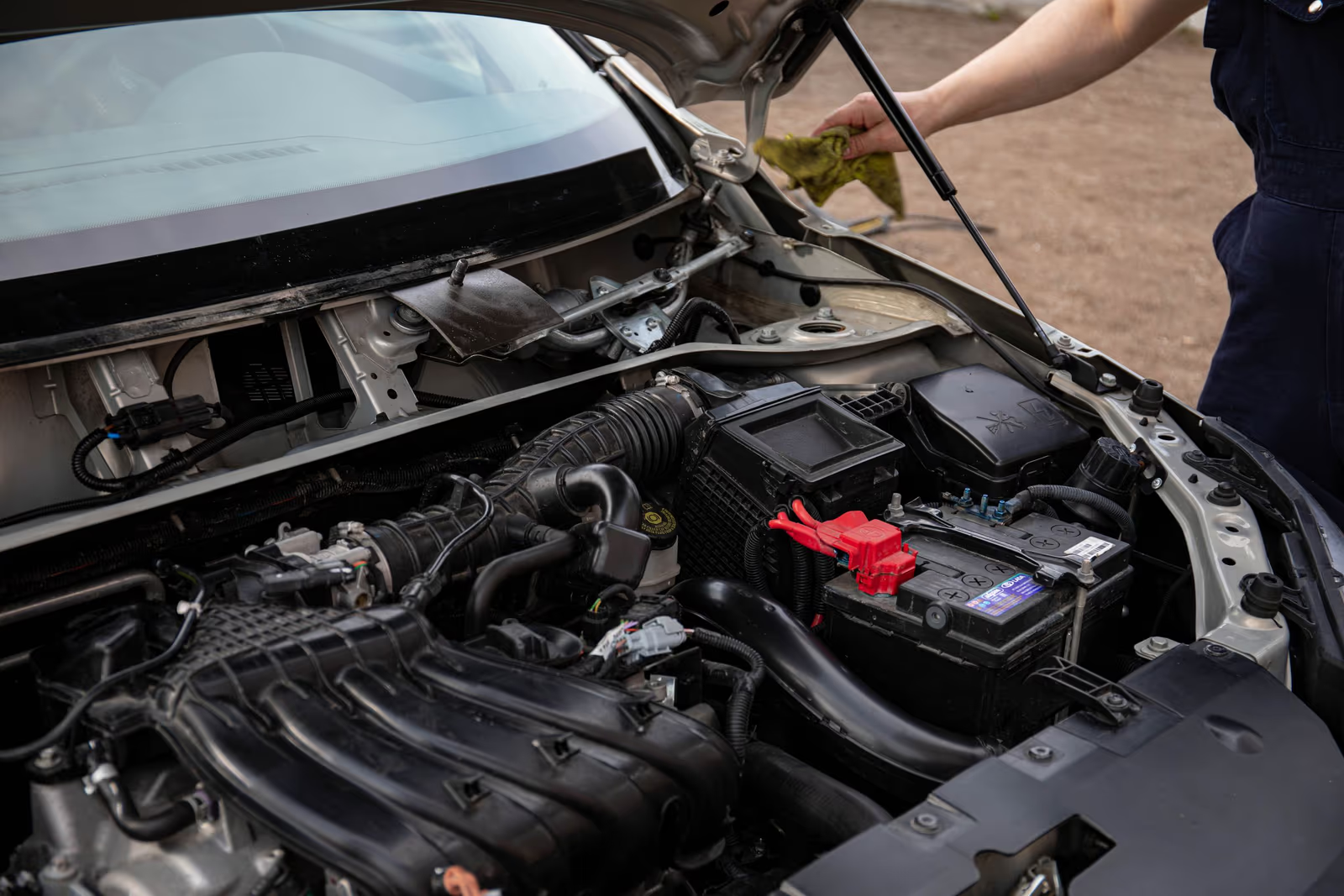
Turning lost replacement-battery share into a growth lever
What it settled100+ face-to-face interviews with OEM-authorized workshops across four European markets showed exactly how much first-replacement battery share was leaking to independents, and why. The findings reshaped the client's dealer incentive design and technology-upsell strategy.
Read the case study

Which decision is waiting on better evidence?
Send us your question. We come back with a plan and a price. Nothing starts until you approve it.
- 01Tell us your question
What you need to know, which markets, and by when.
- 02We send a plan
Who we will speak to, how, and what it costs. Inside 48 hours.
- 03You approve it
Nothing is commissioned until you say yes.
- 04We run it, and read it back
Every interview read together: where they agree, where they conflict, and what is still open.
Parts fill rate formula and what it misses.
Parts fill rate analysis is the measure of whether a customer gets the right part, when needed, from the channel they trust, checked from the customer's side rather than the order book. Measured that way, the analysis also estimates the sales lost to stockouts, long lead times and substitute or unauthorized parts. Nextyn builds parts fill rate analysis from mystery shopping at parts counters and interviews with workshops and distributors, drawing on 15,000+ on-ground field researchers.
A Nextyn parts fill rate analysis delivers three outputs: availability and lead times channel by channel, what customers are offered when a part is missing, and a lost sales estimate by cause. Each output comes from field checks and primary interviews, not the order book alone:
- Availability and lead times: whether the part is on hand, and the wait when it is not
- Substitutions: when a substitute or unauthorized part is sold instead
- Lost sales: the sales lost to stockouts, delays and substitutes, by cause
Nextyn checks and interviews the four groups that meet a stockout first: parts counters and retailers, authorized dealer parts departments, independent workshops, and fleet or end customers. Each study pairs mystery shopping of availability, lead times and substitutions with interviews, matched to the parts and markets where availability is costing sales:
- Parts retailers and trade counters
- Authorized dealer parts departments
- Independent workshops and mechanics
- Fleet buyers and end customers
Nextyn runs parts fill rate analysis in the United States, Canada, Germany and across Europe, among other markets, with field presence in 85 countries and 50+ languages in-house. Markets are agreed at scoping and follow where availability is costing sales, so a single US region and a multi-country European check each get their own sample. Recent Nextyn aftermarket work paired 40+ channel interviews with SKU-level audits in the United States, Canada and Germany.
Nextyn recommends commissioning parts fill rate analysis when internal fill rates look healthy but parts sales still fall, or before a distribution network or stocking policy is changed. At that point the customer-side view shows which parts and channels lose sales, so stocking and lead-time fixes start with the costliest gaps. Other triggers include workshops reporting long waits, rising sales of substitute or unauthorized parts, and a new distribution partner taking over a region. Nextyn sends a research plan within 48 hours of the brief.
A Nextyn parts fill rate analysis runs in four steps, from brief to read-out, and nothing is commissioned until the client approves the plan. The client sees the sample, method and price before any fieldwork, and reads every interview with the Nextyn team at the end.
- Submit the brief: the parts, the channels and markets, and the availability problem you suspect.
- Receive a plan within 48 hours: who Nextyn will check and interview, how, and what the work costs.
- Approve the plan: fieldwork starts only after sign-off.
- Review the read-out: every interview read together, showing where counters, workshops and customers agree, where they conflict and what is still open.
Nextyn sends a research plan within 48 hours of receiving the brief, stating which channels will be checked, who will be interviewed and what the work costs. The plan sets the fieldwork length for the parts and markets in scope, so a single-market counter check and a multi-country study of several channels each get their own timeline. Nothing is commissioned until the plan is approved, and every interview is read back with the client at the end.
The parts fill rate formula divides the orders your network filled from stock by the orders received, giving one percentage, while Nextyn's parts fill rate analysis measures what customers meet at the counter. That percentage misses every sale that never became an order, and Nextyn's field analysis counts those lost sales by cause.
| Nextyn fill rate analysis | Parts fill rate formula | |
|---|---|---|
| Scope | Every channel customers use, authorized or not | Orders received by your network |
| Evidence | Mystery shopping and channel interviews | Order and inventory records |
| Output | Availability, substitutions and lost sales by cause | A fill rate percentage |
| Timing | A research plan in 48 hours, then fieldwork | Reported each period |