Path to purchase research that shows why online shoppers leave without buying.
Get a customer journey map of how shoppers find your category online, what tips the choice toward one brand, and the step where they give up and leave.
- Research plan in 48 hours
- Interviews with buyers and abandoners
- 50+ languages used in research
Path to purchase analysis that shows where spend pays.

Without knowing where shoppers drop out, budget goes into traffic that was never going to convert.
Know where shoppers find you
The discovery routes that open the funnel in your category, and the platforms they run through.
Put spend behind what decides the sale
The factors that settle the choice at the point of purchase, so content and media follow them.
Fix the steps where shoppers quit
The reasons shoppers abandon, and where in the journey each one strikes, ranked by how many raise it.
Customer journey map built from shopper interviews.
Path to purchase research is the study of the steps a shopper takes from first noticing a need to buying a product, including the steps no analytics tool sees. Nextyn builds the customer journey map through interviews with shoppers who bought, considered or abandoned, showing discovery routes, decision drivers and reasons for dropping out.

- An online customer journey map
- Decision drivers, ranked by influence
- Abandonment reasons with priority fixes
Path to purchase funnel questions shoppers can answer.
What you will knowThe main discovery routes, from search and marketplaces to social and retailer sites, and how each one leads to a purchase.

What you will knowThe decision drivers that matter most at the point of choice, from reviews and price to delivery promises.
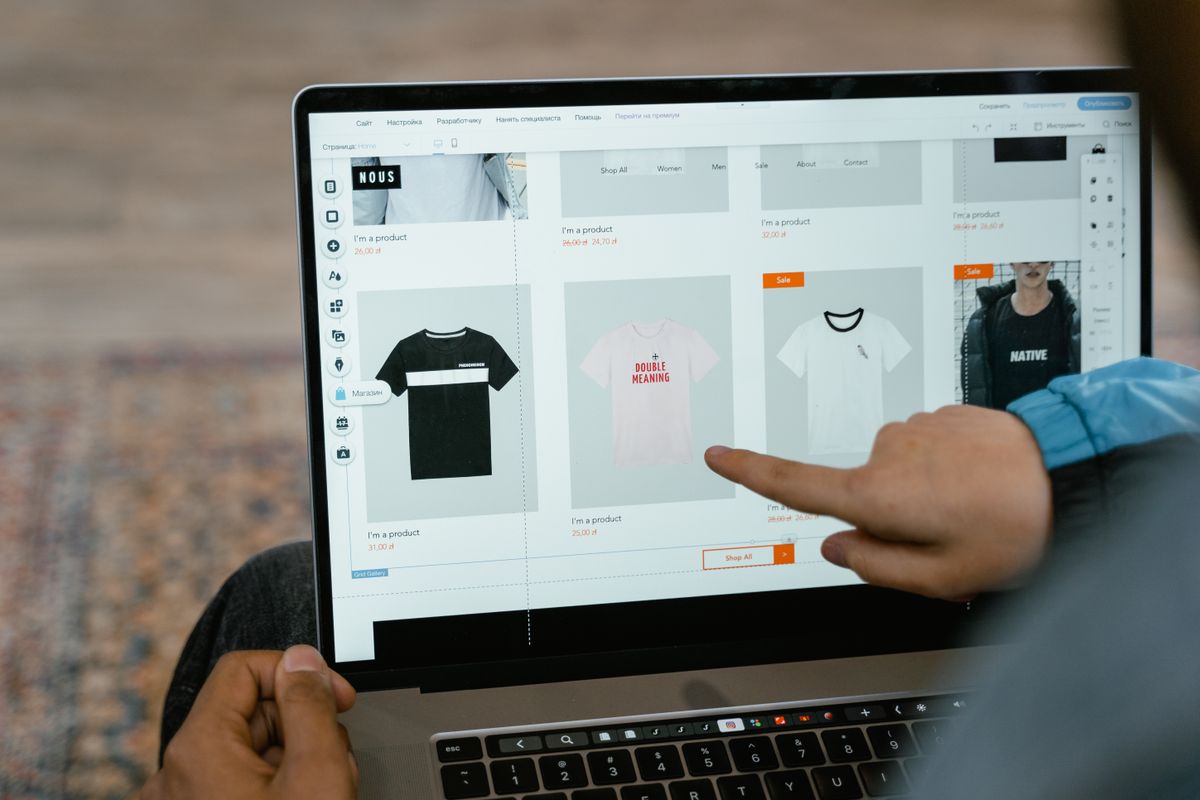
What you will knowThe reasons shoppers abandon, and the step in the journey where each one happens.

Path to purchase examples from Nextyn shopper studies.

Recalibrating household-care growth after shopper behavior shifted
What it settledCombined expert and consumer interviews, retail audits and exit interviews to compare category health, formats, channels and shopper needs across 20 countries. Decision informed: distribution priorities, product-launch sequencing and format emphasis by market.
Read the case study


Which decision is waiting on better evidence?
Send us your question. We come back with a plan and a price. Nothing starts until you approve it.
- 01Tell us your question
What you need to know, which markets, and by when.
- 02We send a plan
Who we will speak to, how, and what it costs. Inside 48 hours.
- 03You approve it
Nothing is commissioned until you say yes.
- 04We run it, and read it back
Every interview read together: where they agree, where they conflict, and what is still open.
Path to purchase meaning answered, plus seven more.
The path to purchase is the route a shopper takes from first noticing a need to buying a product, and path to purchase research is the study of each step. Online, the research shows three things: how shoppers find products, what settles the choice and why some leave without buying. Nextyn builds the customer journey map from interviews with shoppers who bought, considered or abandoned, so the consumer path to purchase is traced across marketplaces, retailer sites and search, not only the brand's own store.
A Nextyn path to purchase study delivers three outputs: an online customer journey map, the decision drivers ranked by influence, and the abandonment reasons with priority fixes. Each output comes from interviews with online shoppers in the client's category, including people who bought a rival product:
- Customer journey map: the discovery routes and steps from first search to purchase or exit
- Decision drivers: what settles the choice, from reviews and price to delivery
- Abandonment reasons: why shoppers leave, where they leave and what to fix first
Nextyn interviews three groups of online shoppers in the client's category: recent buyers of the brand, buyers of a rival product, and shoppers who abandoned before buying. Comparing the three groups shows where their journeys split, and which step decides whether a shopper buys your product or another:
- Recent buyers, on how they found the product and what settled the choice
- Rival-brand buyers, on what drew them to the competing product
- Abandoners, on the step where they gave up and what would have kept them
- E-commerce and category specialists, where platform mechanics shape the journey
Nextyn runs path to purchase research in the United States, Canada and Mexico, among other markets, with research in more than 85 countries and over 50 languages. Markets and platforms are agreed at scoping, so a US-only study and a multi-country European program each interview shoppers in their own language. Recent Nextyn work tested segment-specific propositions for a US product launch and compared shopper needs and channels across 20 countries for a household-care brand.
Nextyn recommends a path to purchase study at three points: when traffic grows but sales do not, before moving budget between platforms, content or advertising, and before launching in a new online channel. At each point, path to purchase analysis shows where shoppers drop out of the funnel and why, so spend goes to the steps that decide the sale. Web analytics shows the drop-off on a brand's own site; the research explains the drop-off and covers every platform in between.
A Nextyn path to purchase study runs in four steps, from brief to read-out, and nothing is commissioned until the client approves the plan. The client sees the shopper sample, method and price before any fieldwork, and reads every interview with the Nextyn team at the end.
- Submit the brief: the category, platforms and markets, and the decision the research must settle.
- Receive a plan within 48 hours: which shoppers Nextyn will interview, how, and what the work costs.
- Approve the plan: fieldwork starts only after sign-off.
- Review the read-out: every interview read together, showing where shoppers agree, where they conflict and what is still open.
Nextyn sends a research plan within 48 hours of receiving the brief, stating which shoppers will be interviewed, how, and what the work costs. The plan sets the fieldwork length for the platforms, segments and markets in scope, so a single-market study and a multi-country journey map each get their own timeline. Nothing is commissioned until the plan is approved. The read-out follows the close of fieldwork, with every interview read together.
Nextyn path to purchase research explains why shoppers buy, switch or leave, while web analytics records what they clicked on a brand's own site. The two answer different questions: analytics shows where the drop-off happens, and the research explains the drop-off, including on marketplaces and platforms a brand cannot track.
| Nextyn path to purchase research | Web analytics | |
|---|---|---|
| Scope | The whole journey, across every platform shoppers use | The brand's own site or app |
| Evidence | Interviews with buyers, rival buyers and abandoners | Clicks, sessions and conversion data |
| Output | Journey map, decision drivers and abandonment fixes | Funnels and drop-off rates |
| Timing | A research plan in 48 hours, then fieldwork | Continuous, once tagging is in place |