On shelf availability audits that find the stockouts your shipment data hides.
See which SKUs are missing in which stores, whether the cause is distribution or replenishment, and which gaps are costing you the most sales.
- Research plan in 48 hours
- 85+ countries researched
- Store visits, retailer and distributor interviews
Decide with evidence, not instinct.
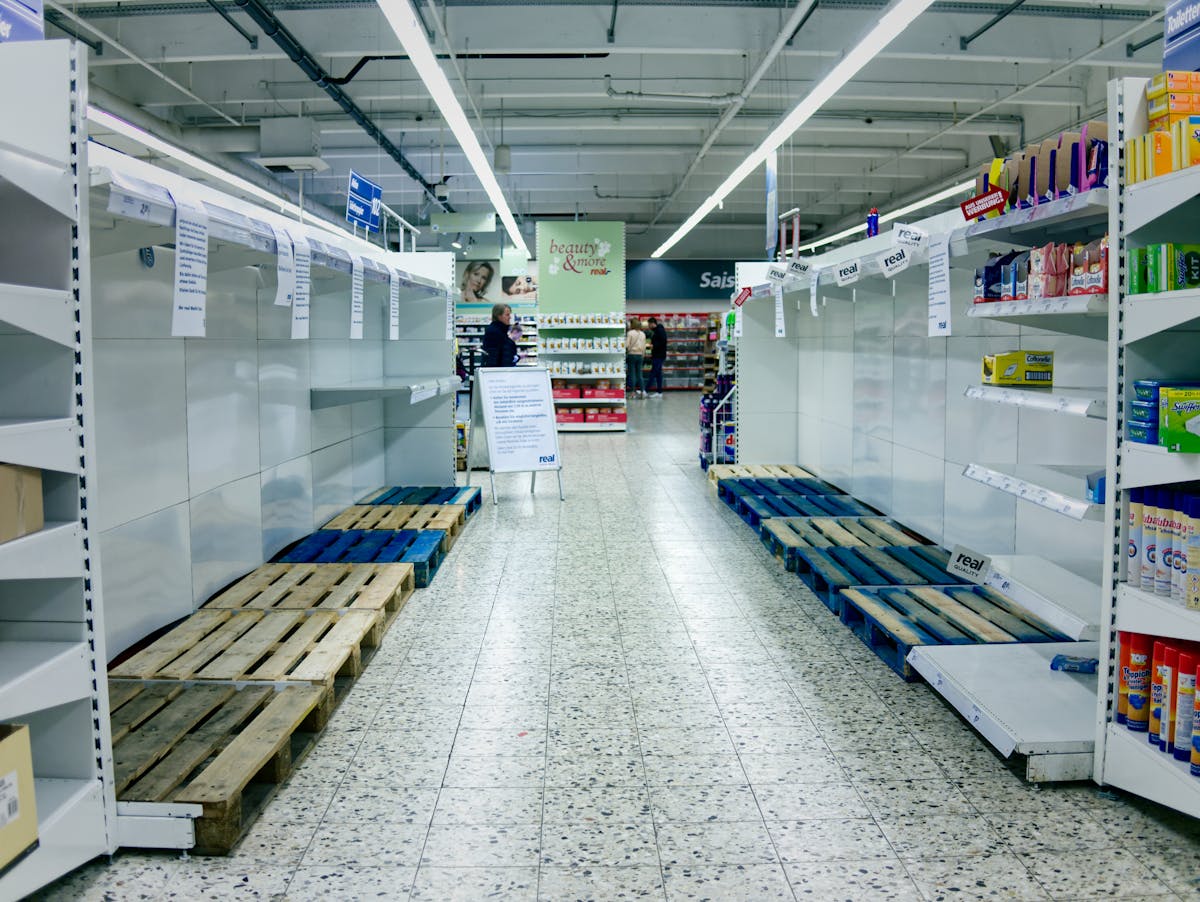
Shipment data can look healthy while the shelf sits empty, and every missing SKU hands the sale to a rival.
See every gap your shipments hide
An availability score for every SKU and outlet, with each gap ranked by how much that store matters.
Fix the cause, not the symptom
Know whether each gap is a product never stocked or a shelf never refilled, so each gets the right fix.
Walk into retailer meetings with proof
Outlet-level evidence to put in front of retailers and distributors, in place of anecdotes.
On shelf availability, in plain terms.
On shelf availability (OSA) is the share of stores where a product is on the shelf, ready to buy, when a shopper looks for it: stores with the SKU present divided by stores audited. A Nextyn availability audit measures it SKU by SKU and outlet by outlet, from store visits checked against interviews with retailers and distributors.

- An availability scorecard for every outlet visited
- Stockouts and distribution gaps, listed by SKU
- Priority fixes ranked by outlet importance
On shelf availability formula applied store by store.
What you will knowYour availability rate by SKU, plus the stores and regions where product was missing on the day of the visit.
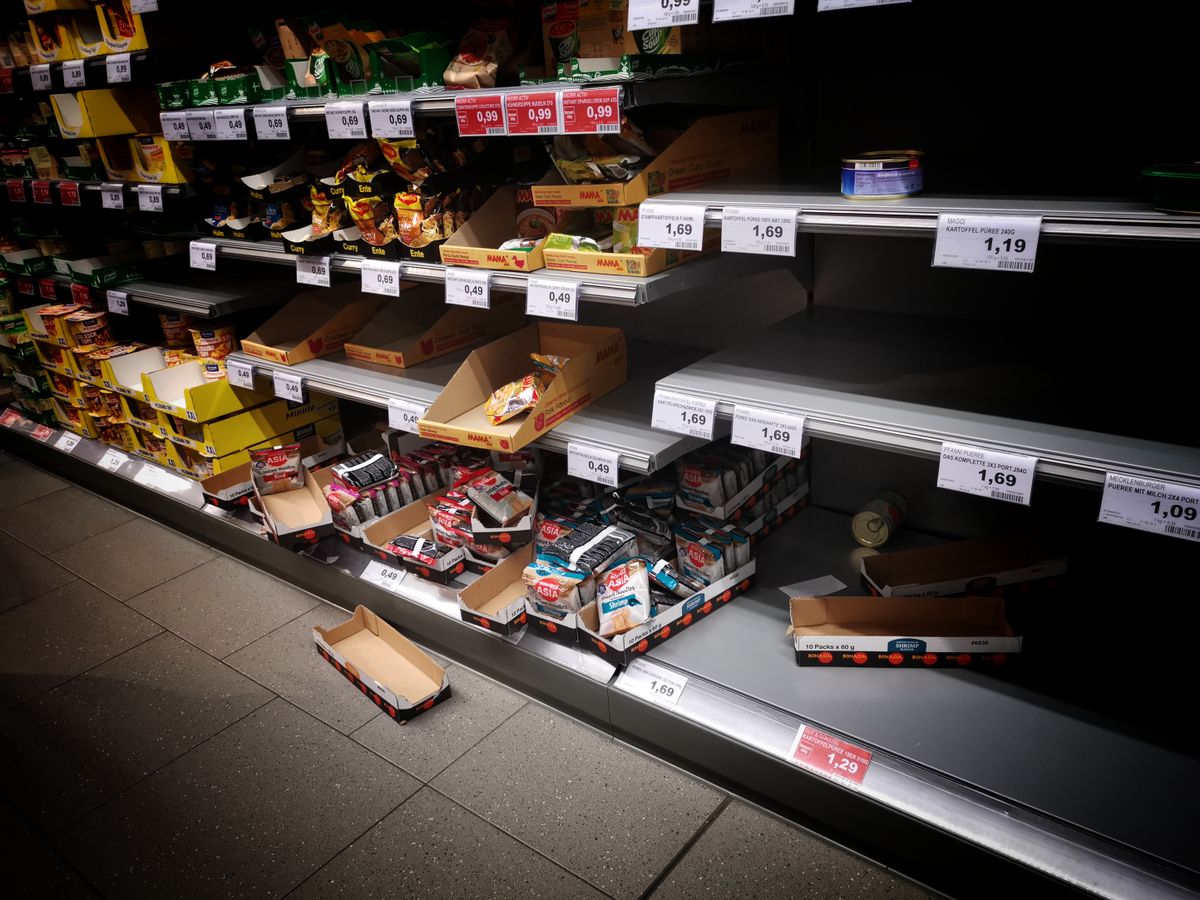
What you will knowWhich gaps are products never stocked in a store, and which were stocked and ran out.

What you will knowA ranked list of gaps, led by the outlets and SKUs that matter most to your category.
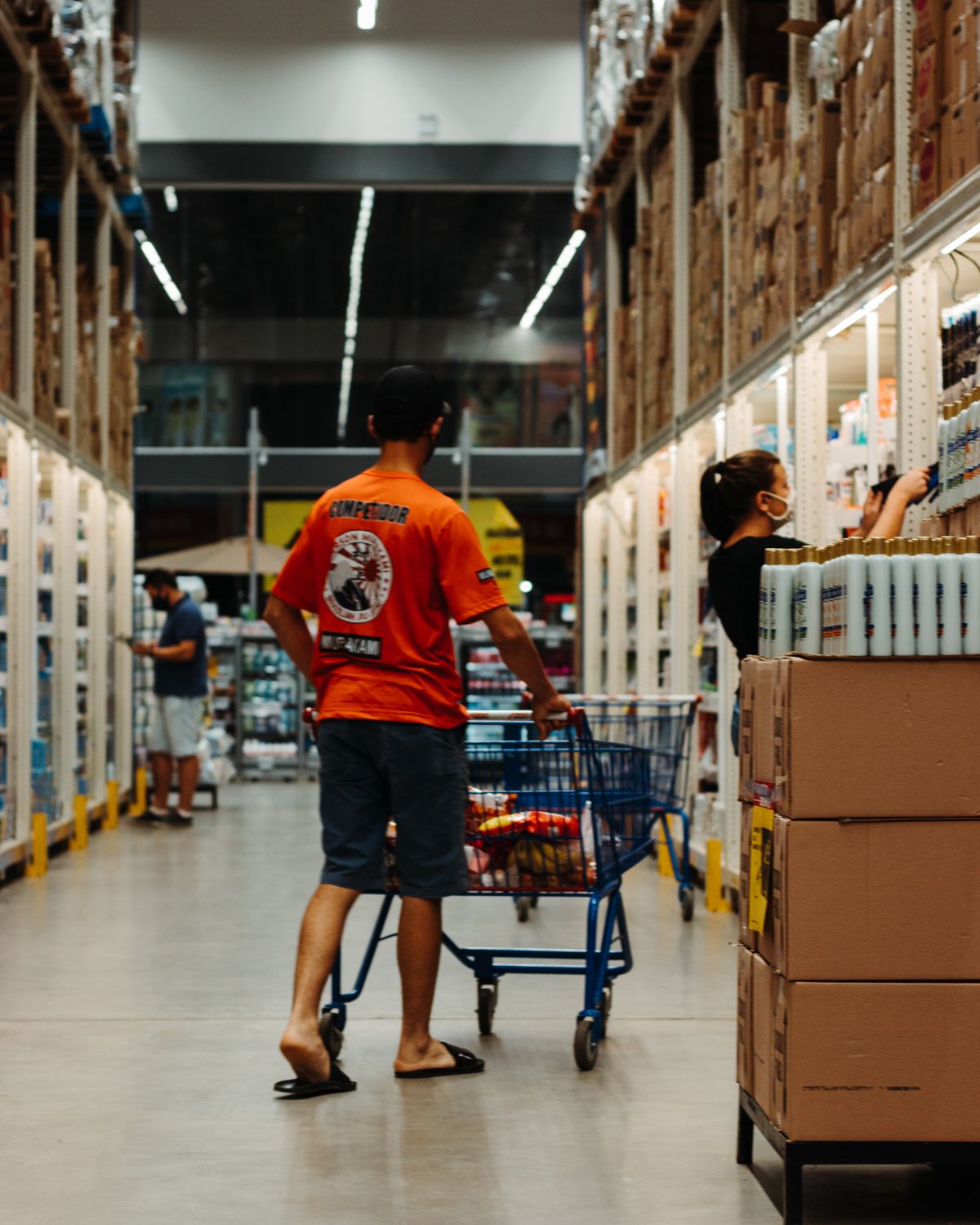
Retail & CPG Market Research at work.
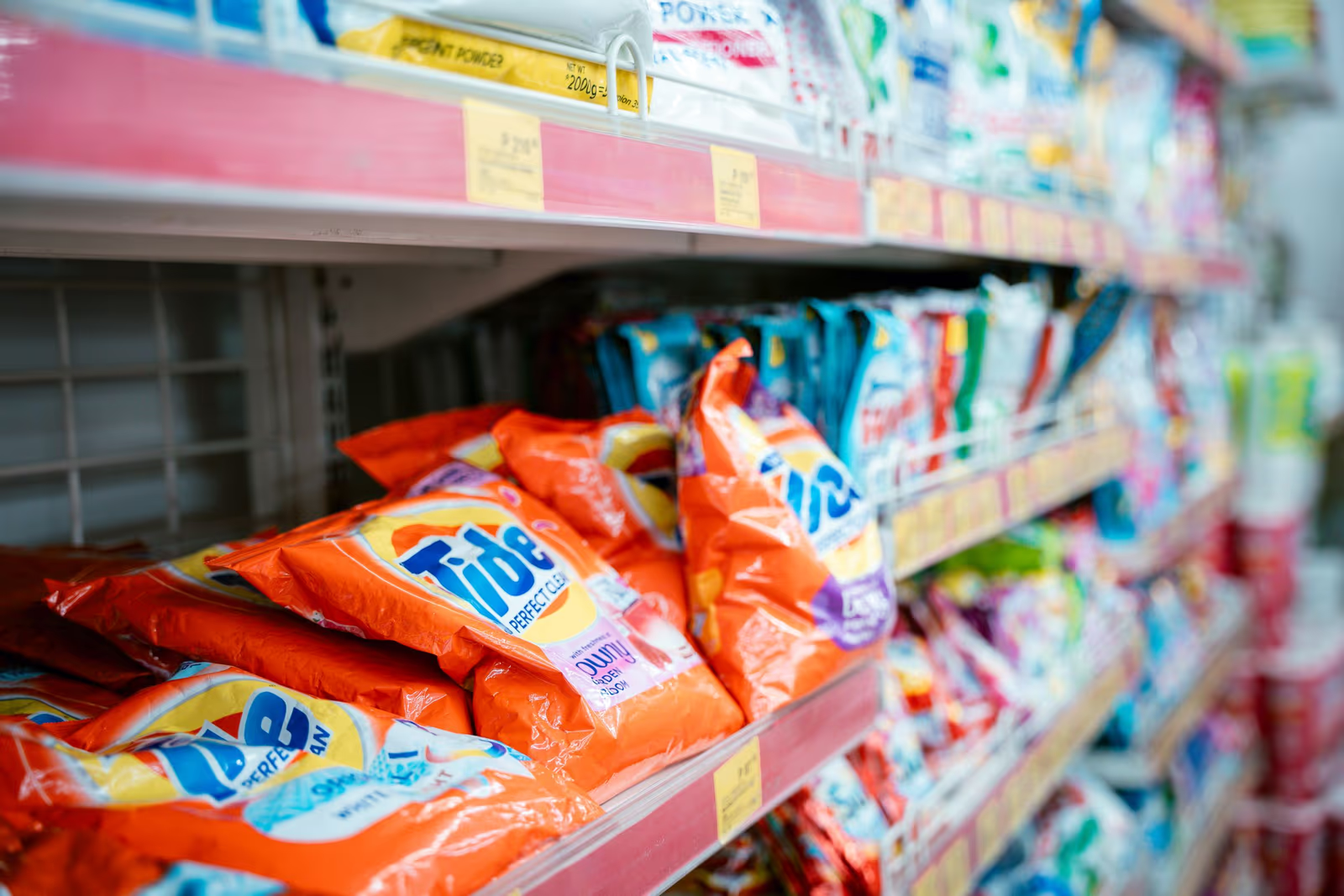
Recalibrating household-care growth after shopper behavior shifted
What it settledCombined expert and consumer interviews, retail audits and exit interviews to compare category health, formats, channels and shopper needs across 20 countries. Decision informed: distribution priorities, product-launch sequencing and format emphasis by market.
Read the case study


Which decision is waiting on better evidence?
Send us your question. We come back with a plan and a price. Nothing starts until you approve it.
- 01Tell us your question
What you need to know, which markets, and by when.
- 02We send a plan
Who we will speak to, how, and what it costs. Inside 48 hours.
- 03You approve it
Nothing is commissioned until you say yes.
- 04We run it, and read it back
Every interview read together: where they agree, where they conflict, and what is still open.
On shelf availability meaning explained with a formula.
On shelf availability (OSA) means the share of stores where a product is on the shelf and ready to buy when a shopper reaches for it. The formula is the number of stores with the SKU on the shelf divided by the number of stores checked, expressed as a percentage. Brands measure it SKU by SKU and outlet by outlet, because shipment data shows what left the warehouse, not what reached the shelf. Nextyn measures on shelf availability through store visits checked against retailer and distributor interviews, so every gap comes with its cause: a product never stocked, or a shelf never refilled. Share of shelf, known as SOS in FMCG, is a different measure: the proportion of facings a brand holds against rivals, which a Nextyn retail audit records. Nextyn's retail research spans more than 85 countries.
Nextyn measures on shelf availability through store visits that record SKU presence outlet by outlet, and delivers three outputs: an availability scorecard, a gap list by SKU and ranked priority fixes. Each output comes from store visits checked against retailer and distributor interviews, not from shipment data:
- Availability scorecard: SKU presence recorded outlet by outlet, on the day of the visit
- Gap list: every missing SKU, marked as never stocked or stocked and run out
- Priority fixes: the gaps that matter most, led by the outlets that carry your category
Nextyn pairs store visits with interviews in three groups that explain why a product is missing: retailers, distributors and shoppers. Trained Nextyn field researchers record what is on the shelf, and the interviews show where supply breaks down between warehouse and shelf:
- Store visits, recording SKU presence and gaps outlet by outlet
- Retail buyers and store managers, on listings, ordering and replenishment
- Distributors and wholesalers, on delivery coverage and frequency
- Shoppers in exit interviews, on what was missing and what they bought instead
Nextyn runs on shelf availability audits in the United States, Canada and Mexico, among other markets, drawing on retail research in more than 85 countries and over 50 languages. Markets are agreed at scoping and follow the client's own priorities, so a single US retailer program and a multi-country European program each get their own store sample. Recent Nextyn retail work includes store visits and exit interviews across Canada, Brazil and Mexico, retail audits across 20 countries for a household-care category, and supermarket audits ahead of a US product launch.
Nextyn recommends an on shelf availability audit when shipments look healthy but sales do not, after a new listing or distribution push, and before a retailer or distributor negotiation. At each of those three points, outlet-level facts show which gaps are costing sales and which to close first. An audit run before a negotiation also gives key account teams evidence that a retailer or distributor cannot dismiss as anecdote.
A Nextyn on shelf availability audit runs in four steps, from brief to read-out, and nothing is commissioned until the client approves the plan. The client sees the store sample, method and price before any fieldwork, and reviews every finding with the Nextyn team at the end.
- Submit the brief: the SKUs, retailers and markets in scope, and the decision the audit must settle.
- Receive a plan within 48 hours: which stores Nextyn will visit, who will be interviewed and what the work costs.
- Approve the plan: fieldwork starts only after sign-off.
- Review the read-out: store visits and interviews read together, showing where sources agree, where they conflict and what is still open.
Nextyn sends a research plan within 48 hours of receiving the brief, stating which stores will be visited, who will be interviewed and what the work costs. The plan sets the fieldwork length for the SKUs, retailers and markets in scope, so a single-retailer check and a multi-country audit each get their own timeline. Nothing is commissioned until the plan is approved, and the read-out follows the close of fieldwork.
A Nextyn availability audit shows what a shopper can buy on the day, outlet by outlet, while shipment and distributor data show only what left the warehouse. The two answer different questions: shipment data tracks sell-in, and the audit finds where product failed to reach the shelf or ran out once there.
| Nextyn availability audit | Shipment and distributor data | |
|---|---|---|
| Scope | Named SKUs in a sample of outlets | Every account the brand ships to |
| Evidence | Store visits checked against retailer and distributor interviews | Orders, invoices and sell-in records |
| Output | Outlet scorecard, gap list and ranked fixes | Volumes shipped by account and period |
| Timing | A research plan in 48 hours, then fieldwork | Reported on the distributor's cycle |