The category moved. Twenty markets did not move together
A global household care manufacturer needed a comprehensive view of category dynamics, consumer needs and competitive activity across twenty markets.
Buying behaviour had shifted significantly after the pandemic, and the client needed to know which of those shifts were still there and which had not lasted.
Consumer packaged goods categories rarely move as one across that many markets. Category management at this spread is a comparison problem before it is an analysis problem, because twenty markets measured twenty different ways cannot be read against each other.
Twenty markets, the same questions in every one
Expert in depth interviews and consumer interviews ran across all twenty markets.
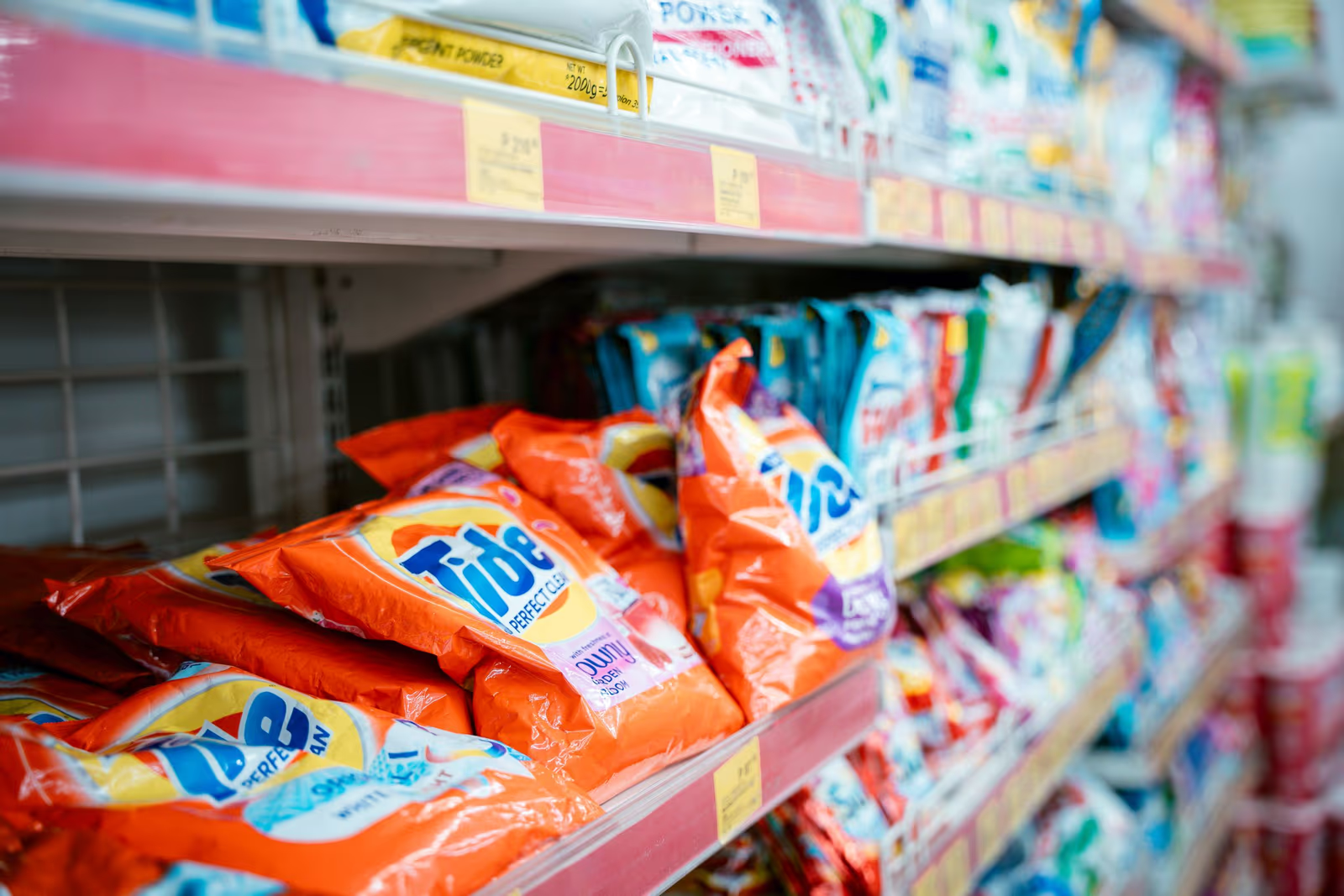
Store checks and retail field audits covered modern trade and traditional trade, so both sides of the channel were recorded rather than one standing in for the other.
Exit interviews covered shopper missions and the trade offs behind them, which is where a stated preference meets an actual basket.
Competitive activity was tracked alongside all of it, so the competitive landscape sat next to the shopper view rather than in a separate document.
Concentrated formats stuck. The rest is country by country
The post pandemic shift towards concentrated and multi purpose products was sustained rather than temporary.
In store visibility and price point were the primary trial levers in most markets. That makes it a trade marketing finding as much as a brand one.
White spaces were country specific, sitting in eco friendly, sensitive skin and multi purpose formats. Private label strength varied significantly by geography as well.
The client recalibrated its distribution strategies against channel dynamics, and set product launch sequencing and format emphasis market by market rather than globally.