Automotive aftermarket research that shows who really services your vehicles.
Know who services your vehicles after the warranty ends, why owners move to independent workshops, and which channel in the automotive aftermarket decides the parts brand.
- Research plan in 48 hours
- 100+ workshop interviews in Europe
- Dealer, independent and fleet interviews
Automotive aftermarket mapped channel by channel.
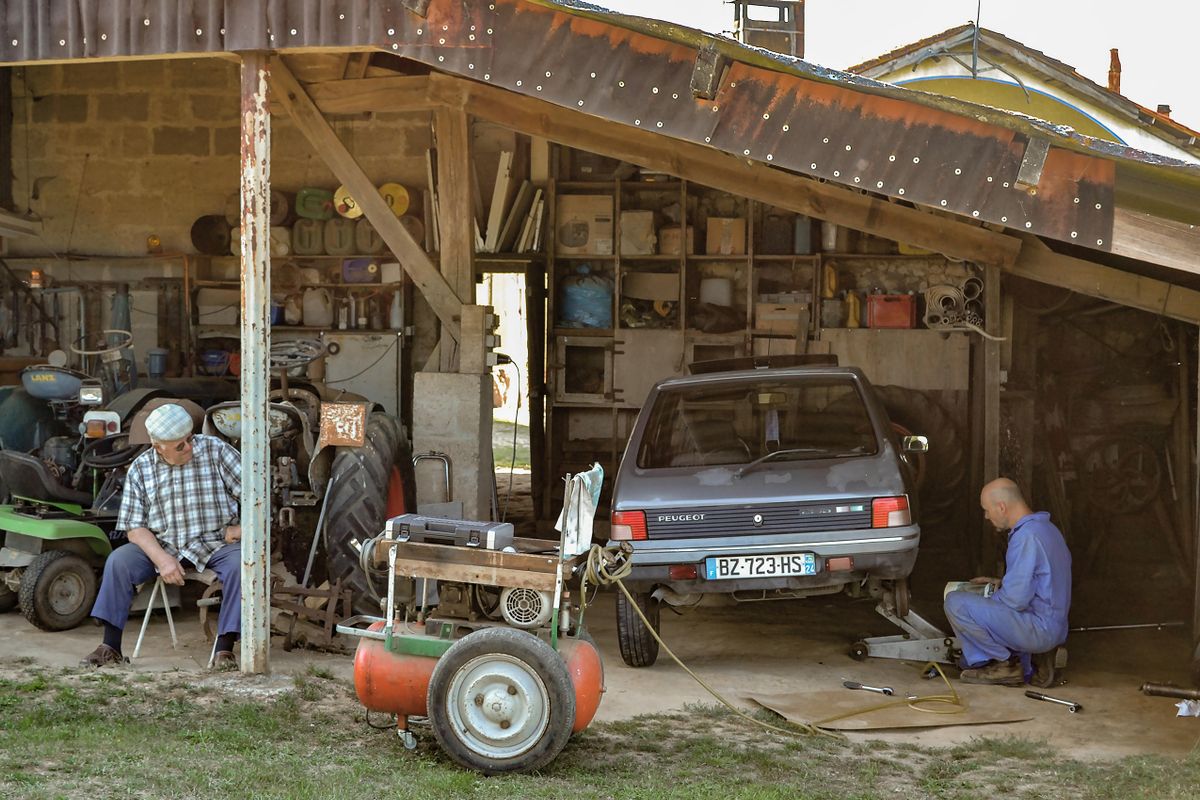
Back the dealer network alone, and first-replacement work drifts to independent workshops you have never studied.
Know who does the work
How maintenance and repair split across the automotive aftermarket: dealer workshops, independent garages and in-house fleet shops.
See why owners switch workshops
The price, convenience and trust triggers that move a vehicle from one provider to another.
Win the channel that picks the part
Parts suppliers focus effort on the channel, and the person in it, who decides which brand goes in.
Automotive aftermarket research, in plain terms.
Automotive aftermarket research is the study of what happens to vehicles after the sale: who services them, which parts they get and why owners switch between dealers and independent workshops. Nextyn builds it from face-to-face interviews with authorized workshops, independent garages, fleet managers and vehicle owners, so OEMs and parts suppliers know which channel to win.

- Service share by channel: dealer, independent and fleet
- The triggers behind each change of workshop
- Priority channels and the people who choose parts
The calls you can make with confidence.
What you will knowThe share of maintenance done by dealers, independent garages and fleet workshops, by vehicle age and market.
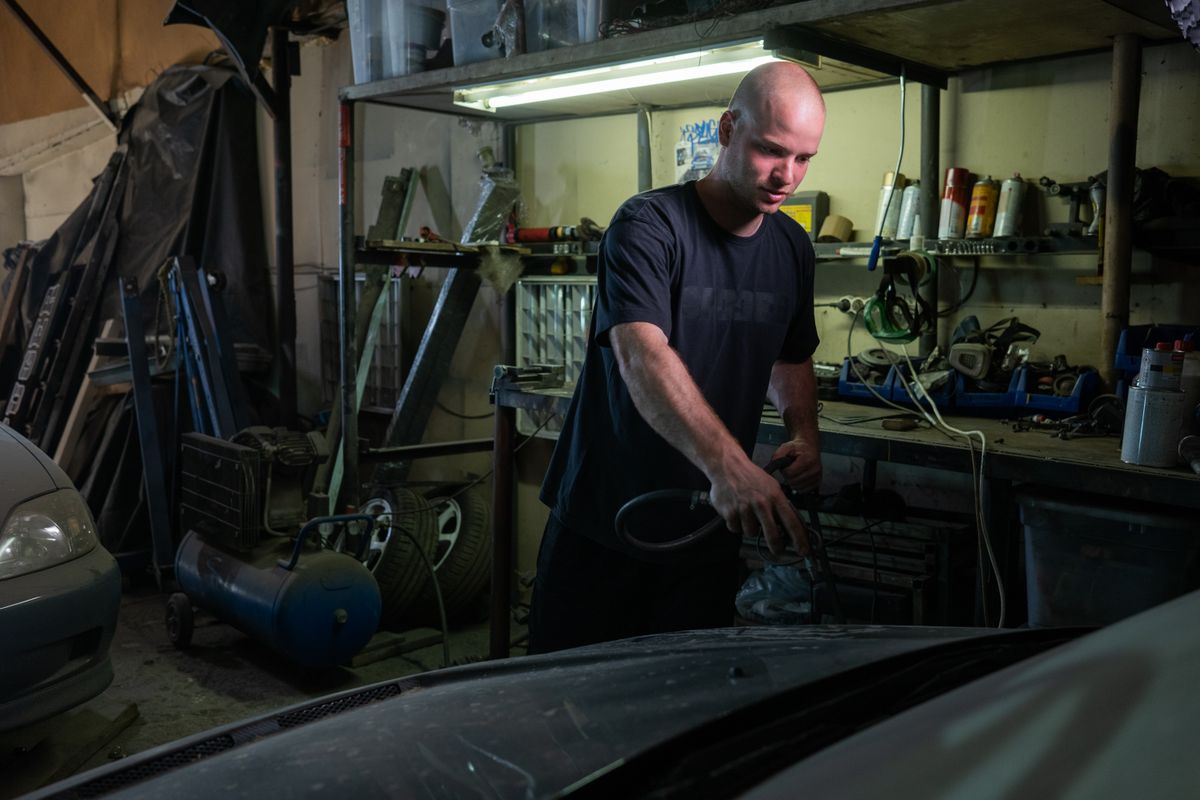
What you will knowThe price, convenience and trust triggers behind a move from the dealer to an independent, or back.

What you will knowThe channel, and the mechanic, buyer or fleet manager in it, who chooses which brand gets fitted.
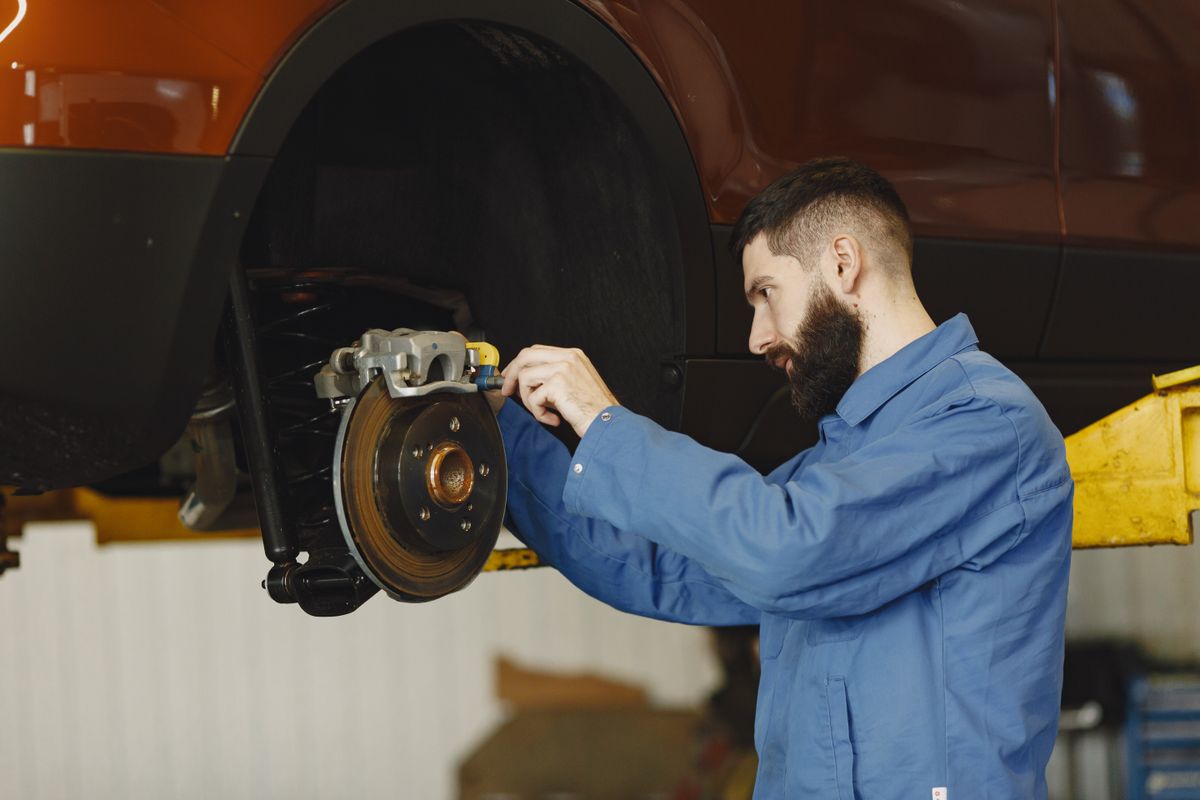
Aftermarket Research at work.
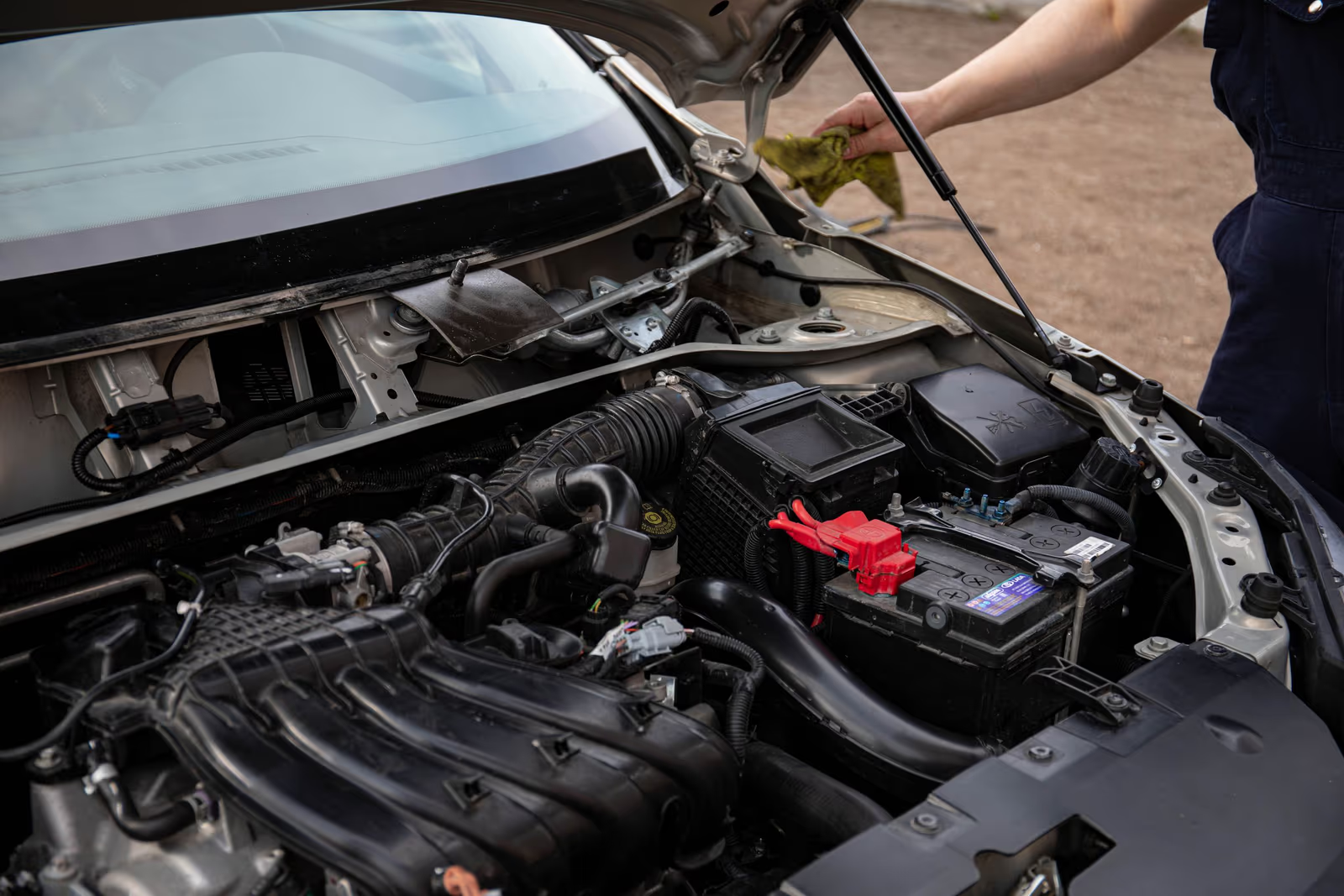
Turning lost replacement-battery share into a growth lever
What it settled100+ face-to-face interviews with OEM-authorized workshops across four European markets showed exactly how much first-replacement battery share was leaking to independents, and why. The findings reshaped the client's dealer incentive design and technology-upsell strategy.
Read the case study
Which decision is waiting on better evidence?
Send us your question. We come back with a plan and a price. Nothing starts until you approve it.
- 01Tell us your question
What you need to know, which markets, and by when.
- 02We send a plan
Who we will speak to, how, and what it costs. Inside 48 hours.
- 03You approve it
Nothing is commissioned until you say yes.
- 04We run it, and read it back
Every interview read together: where they agree, where they conflict, and what is still open.
Frequently asked questions
Automotive aftermarket research is the study of what happens to vehicles after the sale: who services them, which parts they receive and why owners switch between dealers and independent workshops. For an OEM or automotive aftermarket parts supplier, the research shows which service channel decides the parts that get fitted. Nextyn builds automotive aftermarket research from face-to-face interviews with authorized workshops, independent garages, fleet managers and owners, including 100+ workshop interviews across four European markets.
A Nextyn automotive aftermarket study covers three research topics: service share by channel across dealers, independents and fleets, the triggers behind each change of workshop, and the priority channels with the people who choose parts. Each topic comes from primary interviews in the workshops themselves, not desk research:
- Service share: how maintenance and repair split between dealer, independent and fleet workshops
- Switching triggers: why owners move from one provider to another
- Priority channels: where the parts brand is chosen, and by whom
Nextyn interviews the four groups that decide where a vehicle is serviced and which parts go in: OEM-authorized workshops, independent garages, fleet managers and vehicle owners. Each study draws its sample from these groups, matched to the vehicle segments and markets in scope:
- OEM-authorized dealer workshops and service advisors
- Independent garages and fast-fit chains
- Fleet and maintenance managers
- Private and business vehicle owners
Nextyn runs automotive aftermarket research in the United States, Canada, Germany and across Europe, among other markets, with field presence in 85 countries and 50+ languages in-house. Markets are agreed at scoping and follow your vehicle parc, so a single US region and a four-country European workshop study each get their own sample. Recent Nextyn aftermarket work includes 100+ face-to-face interviews with OEM-authorized workshops across four European markets on first-replacement battery share.
Nextyn recommends commissioning automotive aftermarket research before dealer incentives, service plans or parts programs are redesigned, and as large vehicle cohorts leave warranty. That is the point where owners start choosing between the dealer workshop and an independent garage for routine maintenance. Other triggers include parts sales falling while the vehicle parc grows, first-replacement work drifting to independents, and a new fast-fit chain, online parts retailer or distributor gaining ground. In one Nextyn study across four European markets, the findings reshaped the client's dealer incentive design.
A Nextyn automotive aftermarket project runs in four steps, from brief to read-out, and nothing is commissioned until the client approves the plan. The client sees the sample, method and price before any fieldwork, and reads every interview with the Nextyn team at the end.
- Submit the brief: the vehicle segments, the markets and the channel decision at stake.
- Receive a plan within 48 hours: who Nextyn will interview, how, and what the work costs.
- Approve the plan: fieldwork starts only after sign-off.
- Review the read-out: every interview read together, showing where workshops, fleets and owners agree, where they conflict and what is still open.
Nextyn sends a research plan within 48 hours of receiving the brief, stating who will be interviewed, how, and what the work costs. The plan sets the fieldwork length for the vehicle segments and markets in scope, so a single-market owner study and a four-country workshop study each get their own timeline. Nothing is commissioned until the plan is approved, and every interview is read back with the client at the end.
Nextyn's automotive aftermarket research answers one brand's service and parts questions with new interviews in its own markets, while a syndicated aftermarket report forecasts the whole automotive aftermarket industry for every subscriber. The report sizes the aftermarket, and the research shows who services your vehicles and why owners switch.
| Nextyn aftermarket research | Syndicated aftermarket report | |
|---|---|---|
| Scope | Your vehicles, channels and markets | The whole aftermarket by region |
| Evidence | Face-to-face interviews with workshops, fleets and owners | Existing panels and secondary data |
| Output | Service share, switching triggers and priority channels | Market size, share and forecasts |
| Timing | A research plan in 48 hours, then fieldwork | Published on the vendor's schedule |