Installed base analysis that sizes the parts revenue you can still win.
Count the installed base that is still working, see where it sits and what parts and service it will need, before you set next year's aftermarket targets.
- Research plan in 48 hours
- Field presence in 85 countries
- Dealer, workshop and owner interviews
Installed base marketing aimed at the pools worth winning.

Targets built on shipment history miss the machines still running, and the richest parts pools go to whoever counts them first.
Size the parts pool you can win
The serviceable parts and service revenue by model, vintage and market, not by units shipped.
Aim installed base marketing where it pays
Parts categories ranked by potential, so installed base sales and stocking effort go where the return is highest.
See replacement demand coming
Follow each vintage through its lifecycle: when it will need parts, service or a new unit, so stock is ready.
Installed base analytics from the field, not shipments.
Installed base analysis is the count of equipment still in service, by model, vintage and location, turned into an estimate of parts and service revenue. The installed base is every unit sold that still works in the field. Nextyn builds the count from field checks and interviews with dealers, workshops and owners.
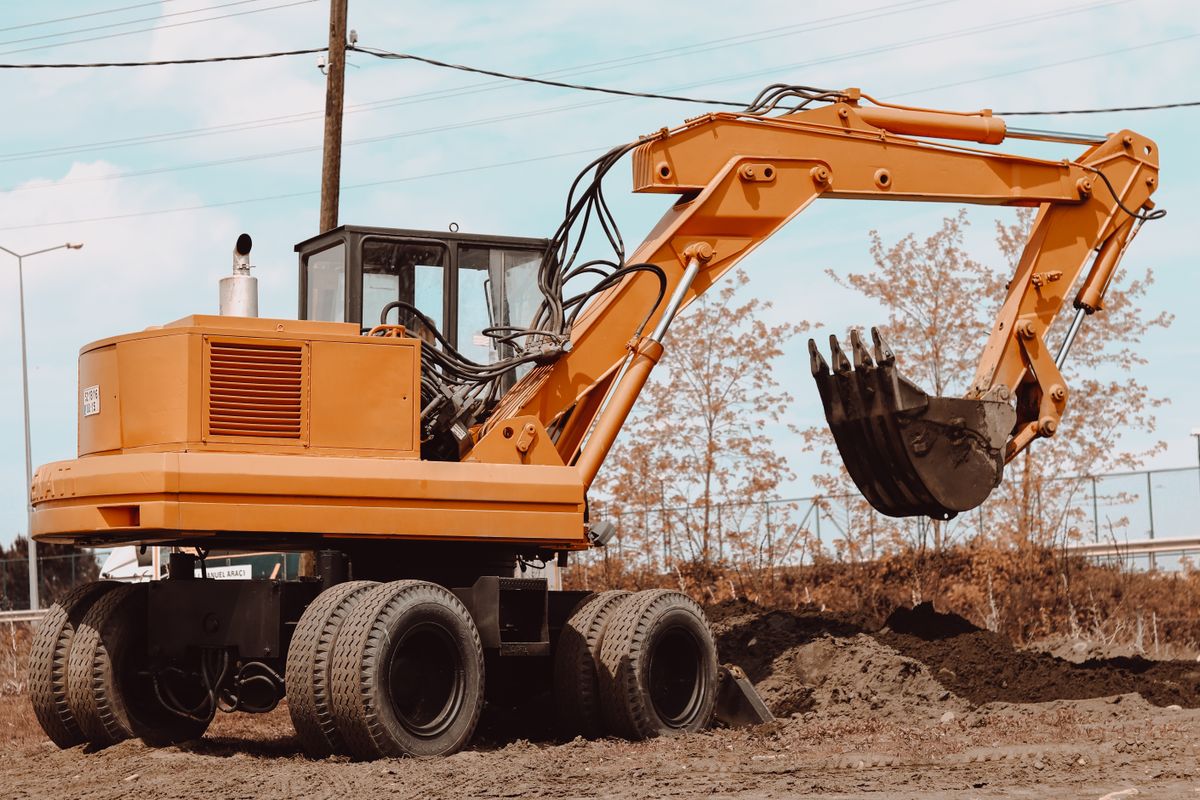
- Installed base counts by model, vintage and market
- Parts and service revenue sized for each pool
- Priority parts pools, ranked by potential
What is installed base answered with a field count.
What you will knowA count of the working installed base by model, vintage and market, checked in the field.
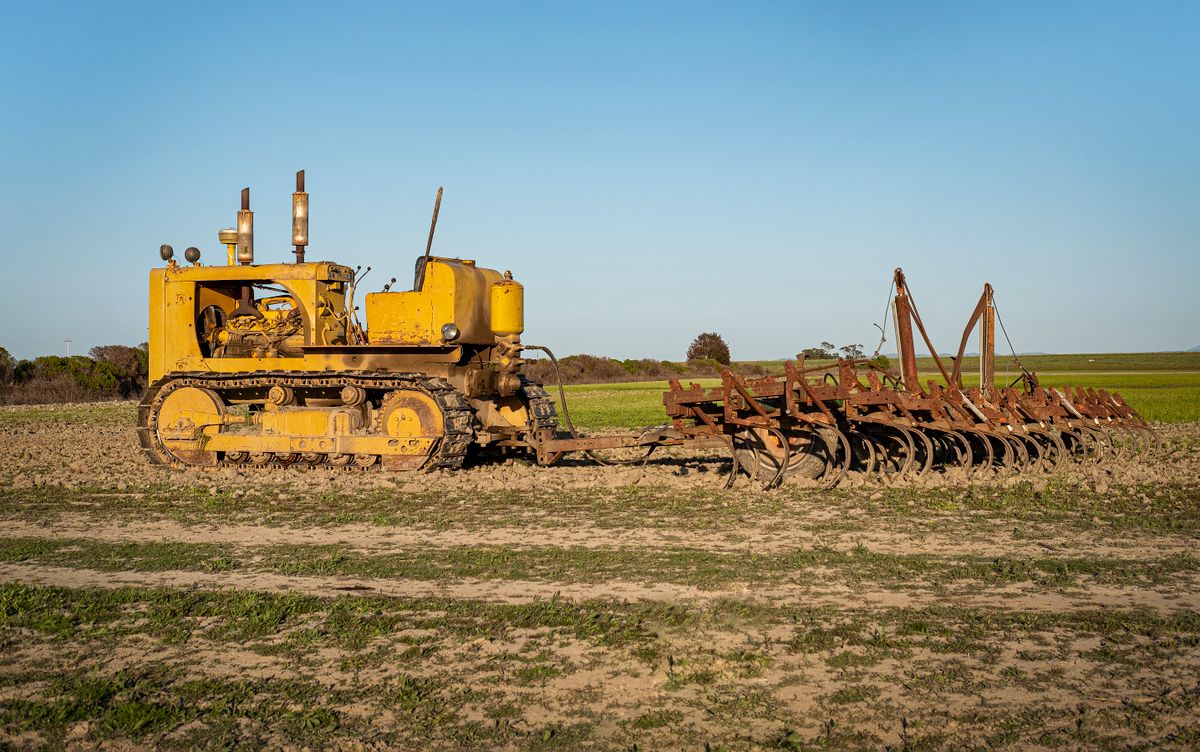
What you will knowThe sized parts and service pool set against your own sales, showing the share going elsewhere.

What you will knowThe parts categories and markets ranked by revenue potential, with the vintages driving each one.
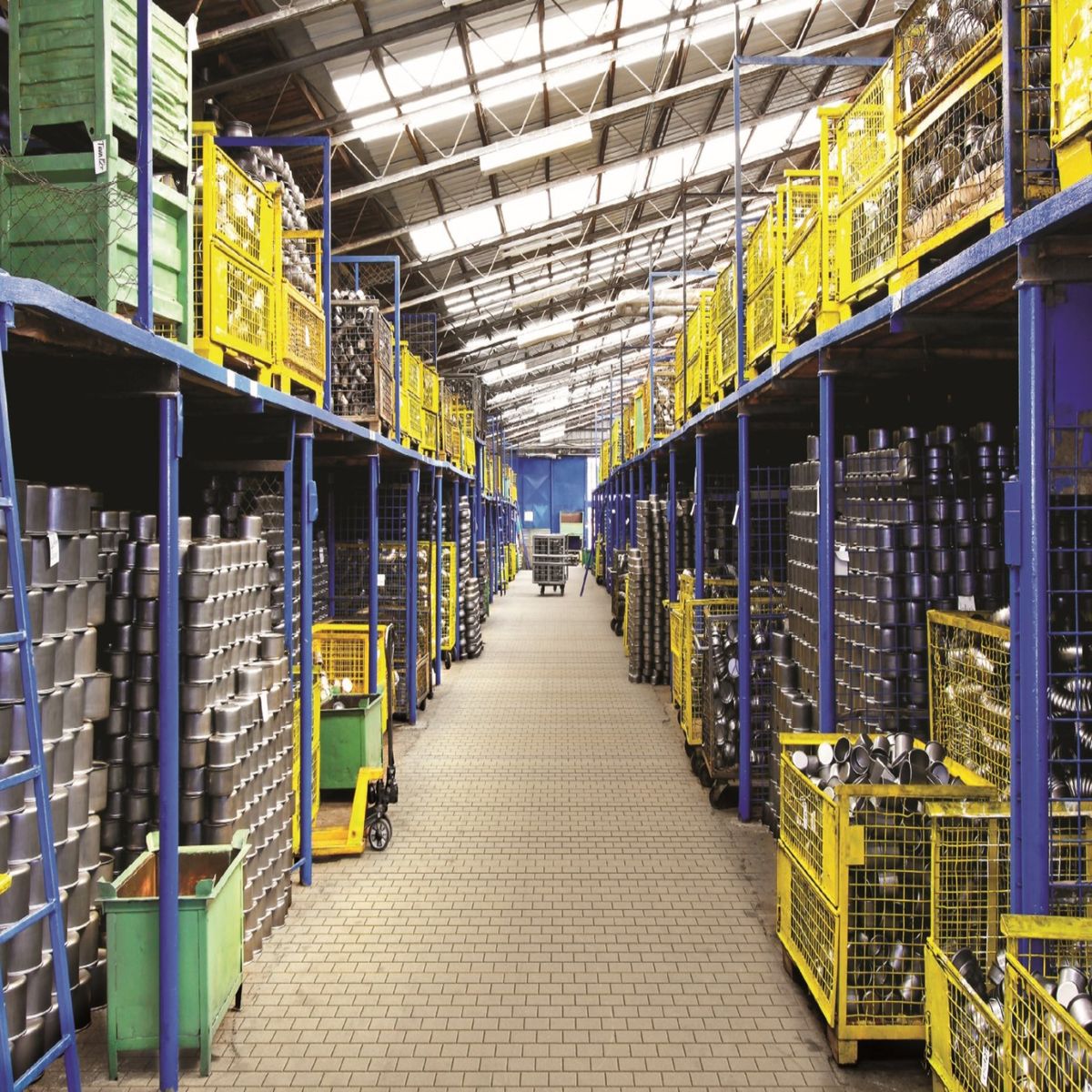
Installed base example from recent client work.

Turning lost replacement-battery share into a growth lever
What it settled100+ face-to-face interviews with OEM-authorized workshops across four European markets showed exactly how much first-replacement battery share was leaking to independents, and why. The findings reshaped the client's dealer incentive design and technology-upsell strategy.
Read the case study

Installed base evaluation with a plan in 48 hours.
Send us your question. We come back with a plan and a price. Nothing starts until you approve it.
- 01Tell us your question
What you need to know, which markets, and by when.
- 02We send a plan
Who we will speak to, how, and what it costs. Inside 48 hours.
- 03You approve it
Nothing is commissioned until you say yes.
- 04We run it, and read it back
Every interview read together: where they agree, where they conflict, and what is still open.
What does installed base mean and how Nextyn counts it.
Installed base analysis is the count of equipment still in service, by model, vintage and location, used to size the parts and service revenue that equipment will generate. The installed base itself is every unit a manufacturer has sold that is still running in the field, so the term means working equipment, not units shipped. Nextyn builds the installed base data from field checks and interviews with dealers, workshops and equipment owners, drawing on 15,000+ on-ground field researchers, rather than from shipment records alone.
A Nextyn installed base analysis delivers three outputs: installed base counts by model, vintage and market, parts and service revenue sized for each pool, and a ranked list of priority parts pools. Each output comes from field checks and primary interviews, so the installed base analytics rest on observed units, not shipment records:
- Installed base counts: the units still working, by model, vintage and market
- Revenue sizing: the parts and service revenue each pool will generate
- Priority ranking: the parts pools worth chasing first, ranked by potential
Nextyn interviews and visits the four groups that know where equipment is still running: authorized dealers, independent workshops, equipment owners and fleet managers, and parts distributors. Each study draws its sample from these groups, matched to the product lines and markets in scope, and field researchers record make, model and vintage on site:
- Authorized dealers and their service managers
- Independent workshops and service providers
- Equipment owners, fleet and site managers
- Parts distributors that supply the installed base
Nextyn runs installed base analysis in the United States, Canada and Europe, among other markets, with field presence in 85 countries and 50+ languages in-house. Markets are agreed at scoping and follow the product lines in question, so a single US region and a multi-country European count each get their own plan. Recent Nextyn aftermarket work includes face-to-face interviews with OEM-authorized workshops across four European markets and a center-by-center installed base program across 1,000 imaging sites.
Nextyn recommends commissioning installed base analysis, or a first installed base evaluation, before aftermarket revenue targets, parts stocking plans or dealer territories are set for the next planning cycle. At that point the count can still move where sales effort and inventory go, and the largest parts pools can be claimed before competitors find them. Other triggers include a parts business that misses plan without a clear cause, a product line entering its first replacement cycle, and an acquisition that adds an installed base nobody has counted. A Nextyn research plan arrives within 48 hours of the brief.
A Nextyn installed base analysis runs in four steps, from brief to read-out, and nothing is commissioned until the client approves the plan. The client sees the sample, method and price before any fieldwork, and reads every interview with the Nextyn team at the end.
- Submit the brief: the product lines, the markets and the revenue decision the count must support.
- Receive a plan within 48 hours: who Nextyn will interview and visit, how, and what the work costs.
- Approve the plan: fieldwork starts only after sign-off.
- Review the read-out: every interview read together, showing where dealers, workshops and owners agree, where they conflict and what is still open.
Nextyn sends a research plan within 48 hours of receiving the brief, stating who will be interviewed or visited, how, and what the work costs. The plan sets the fieldwork length for the product lines and markets in scope, so a single-market dealer study and a multi-country field count each get their own timeline. Nothing is commissioned until the plan is approved, and the read-out covers every interview and site visit.
Nextyn's installed base analysis counts the equipment still working in the field, while a shipment-based estimate infers the installed base from units sold and an assumed scrappage rate. The two answer different questions: shipment records show what was sold, and the field count shows what is still running and needs parts.
| Nextyn installed base analysis | Shipment-based estimate | |
|---|---|---|
| Scope | Units still in service, by model, vintage and market | Units shipped, by year |
| Evidence | Field checks and interviews with dealers, workshops and owners | Internal sales and warranty records |
| Output | Installed base counts, sized parts pools and a priority ranking | A unit total with assumed scrappage |
| Timing | A research plan in 48 hours, then fieldwork by market | Available now, but blind to units resold or scrapped |