Equipment replacement analysis that shows when owners stop repairing.
Know the point where owners stop repairing an aging machine and commit to equipment replacement, and what price, trust or parts delay pushes them there.
- Research plan in 48 hours
- US, Canada and European markets
- Owner, fleet and workshop interviews
Replacement of equipment planned on real owner choices.
Guess the tipping point wrong and you discount machines that would have sold anyway, or lose replacements to a repair you never saw.
Know when owners repair or replace
The cost, age and downtime points at which owners stop repairing and buy new.
Price every option where it counts
Set parts, upgrade and new-unit prices against the points where decisions actually shift.
Plan volumes on real owner behavior
Forecast equipment replacement, upgrade and parts demand from what owners do, not assumed lifecycles.
Equipment replacement analysis, in plain terms.
Equipment replacement analysis is the study of what owners do when a machine fails or ages out: repair it, upgrade it or replace it. The analysis finds the price, trust and parts availability points that decide each choice. Nextyn builds it from interviews with owners, fleet managers and the workshops they call when equipment breaks down.
- A repair, upgrade or replace map by segment
- The price, trust and parts thresholds that tip owners
- Owner reasons for each choice, in their own words
The calls you can make with confidence.
What you will knowThe split between repair, upgrade and replacement, with the reasons owners give for each choice.
What you will knowThe point, by segment, at which a repair quote makes a new unit the better buy.

What you will knowWhere doubts about service quality or slow parts push owners toward a new unit, or a rival brand.

Aftermarket Research at work.
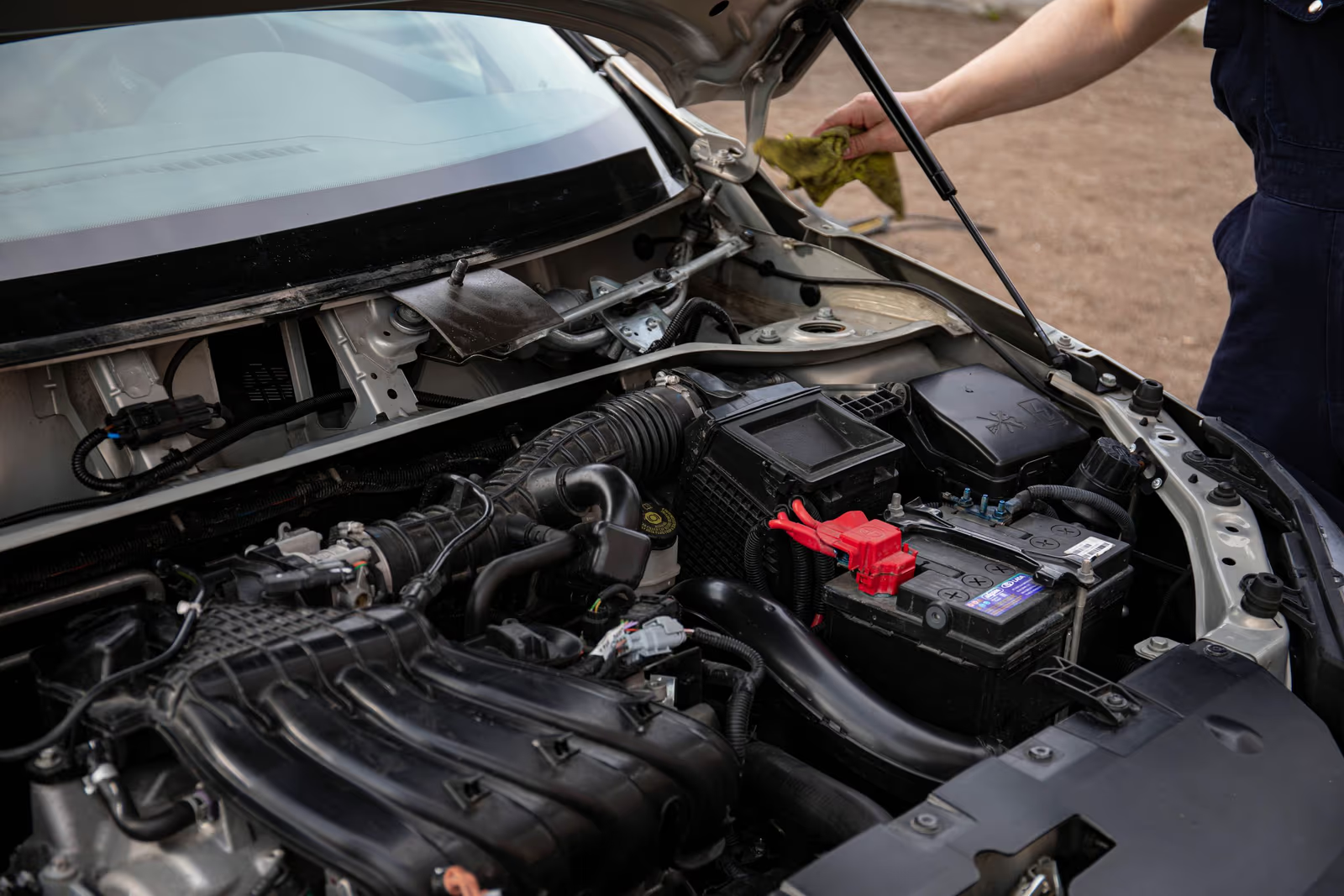
Turning lost replacement-battery share into a growth lever
What it settled100+ face-to-face interviews with OEM-authorized workshops across four European markets showed exactly how much first-replacement battery share was leaking to independents, and why. The findings reshaped the client's dealer incentive design and technology-upsell strategy.
Read the case study
Which decision is waiting on better evidence?
Send us your question. We come back with a plan and a price. Nothing starts until you approve it.
- 01Tell us your question
What you need to know, which markets, and by when.
- 02We send a plan
Who we will speak to, how, and what it costs. Inside 48 hours.
- 03You approve it
Nothing is commissioned until you say yes.
- 04We run it, and read it back
Every interview read together: where they agree, where they conflict, and what is still open.
Frequently asked questions
Equipment replacement analysis is the study of what owners do when a machine fails or reaches end of life: repair it, upgrade it or replace it with a new unit. Those three choices are what an OEM must price and forecast for, and the analysis finds the price, trust and parts availability points that tip each one. Nextyn builds equipment replacement analysis from interviews with owners, fleet managers and the workshops that quote the repair, in the United States, Europe and other markets, so pricing and forecasts rest on observed choices rather than assumed lifecycles.
A Nextyn equipment replacement analysis delivers three outputs: a repair, upgrade or replace map by segment, the price, trust and parts thresholds that tip owners, and owner reasons for each choice in their own words. Each output comes from primary interviews with owners and workshops, not desk research:
- Decision map: how owners split between repair, upgrade and replacement, by segment
- Thresholds: the repair cost, service trust and parts delay points that shift each decision
- Owner reasons: the explanation behind each choice, quoted from the interviews
Nextyn interviews the four groups that make or shape the repair-or-replace call: equipment owners, fleet and maintenance managers, dealer service teams and independent workshops. Each study draws its sample from owners who faced the decision recently, matched to the equipment categories and markets in scope:
- Equipment owners and operators
- Fleet, plant and maintenance managers who sign off spend
- Dealer service managers who quote repairs and trade-ins
- Independent workshops that keep older machines running
Nextyn runs equipment replacement analysis in the United States, Canada, Germany and across Europe, among other markets, with field presence in 85 countries. Markets are agreed at scoping and follow where the replacement decision is made, so a US fleet study and a multi-country European study each get their own sample. Recent Nextyn aftermarket work includes replacement-battery research with OEM-authorized workshops in four European markets and interviews with importers, distributors and installers in the United States, Canada and Germany.
Nextyn recommends commissioning equipment replacement analysis before parts, upgrade and new-unit prices are reset, or before a large fleet vintage reaches end of life. At that stage the findings can still shape where discounts go and how many replacement units to plan for. Other triggers include replacement sales falling short of forecast, repair revenue rising while new-unit orders stall, and a rival brand winning replacements in a key segment. Nextyn sends a research plan within 48 hours of the brief.
A Nextyn equipment replacement analysis runs in four steps, from brief to read-out, and nothing is commissioned until the client approves the plan. The client sees the sample, method and price before any fieldwork, and reads every interview with the Nextyn team at the end.
- Submit the brief: the equipment categories, the markets and the pricing or forecast decision at stake.
- Receive a plan within 48 hours: who Nextyn will interview, how, and what the work costs.
- Approve the plan: fieldwork starts only after sign-off.
- Review the read-out: every interview read together, showing where owners and workshops agree, where they conflict and what is still open.
Nextyn sends a research plan within 48 hours of receiving the brief, stating who will be interviewed, how, and what the work costs. The plan sets the fieldwork length for the equipment categories and markets in scope, so a single-market owner study and a multi-country study of owners and workshops each get their own timeline. Nothing is commissioned until the plan is approved, and every interview is read back with the client at the end.
Nextyn's equipment replacement analysis measures what owners actually do when a machine ages out, while a replacement cost formula or lifecycle model assumes when equipment will be replaced from cost, age and usage inputs. The formula gives a schedule, and the research shows the price, trust and parts points that move that schedule in practice.
| Nextyn replacement analysis | Cost formula or lifecycle model | |
|---|---|---|
| Scope | Owner decisions by segment and market | Average replacement age by category |
| Evidence | Interviews with owners, fleet managers and workshops | Cost inputs, engineering life and historical sales |
| Output | Decision map, tipping-point thresholds and owner reasons | A replacement schedule |
| Timing | A research plan in 48 hours, then fieldwork | Built in-house, revised when assumptions change |