Retail market monitoring that warns you before a retailer cuts your range.
Hear about delisting risk, private-label launches and new store formats from the stores and buyers themselves, while there is still time to defend your shelf.
- Research plan in 48 hours
- Repeat store audits and buyer interviews
- 85+ countries researched
Market price monitoring begins at the shelf.
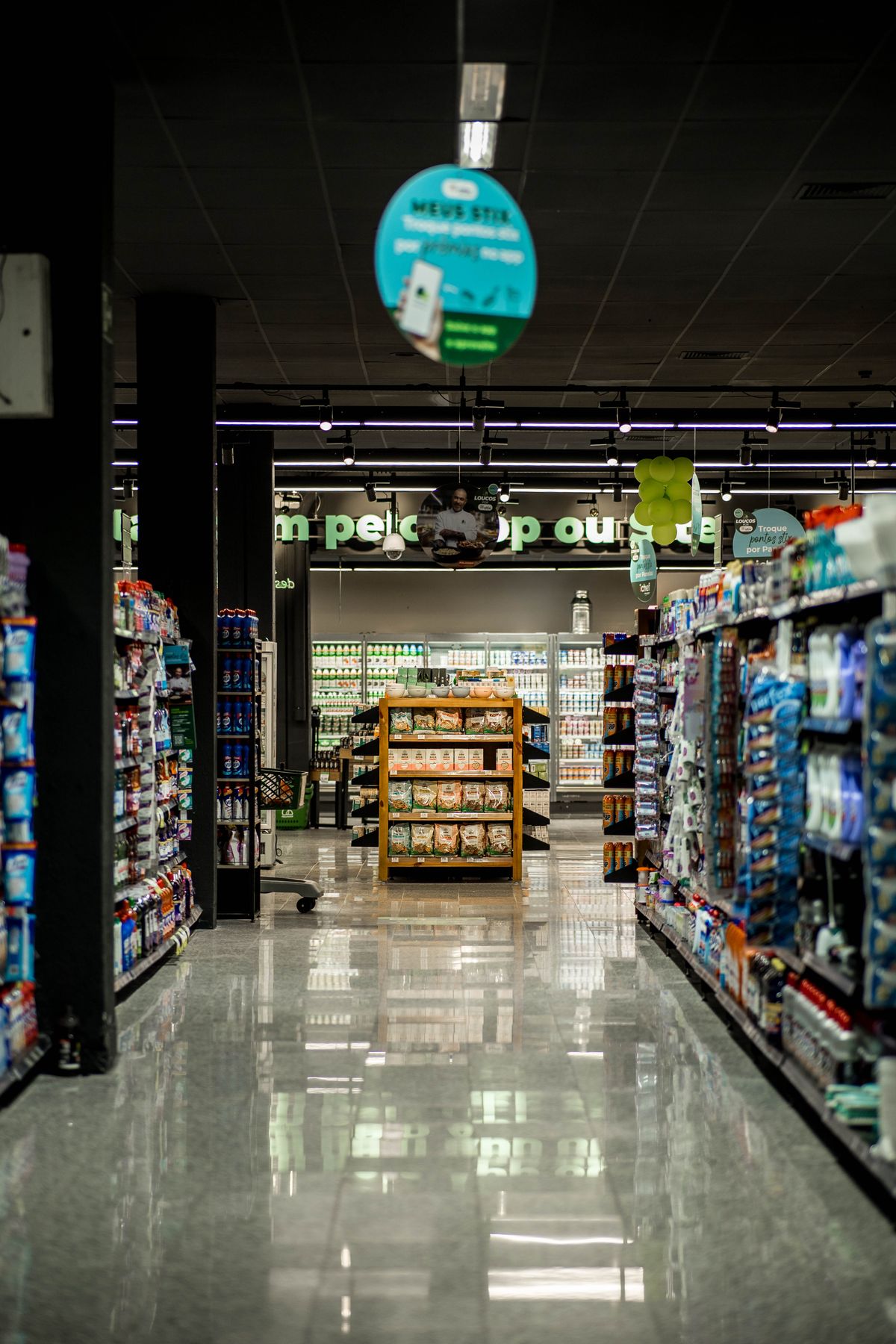
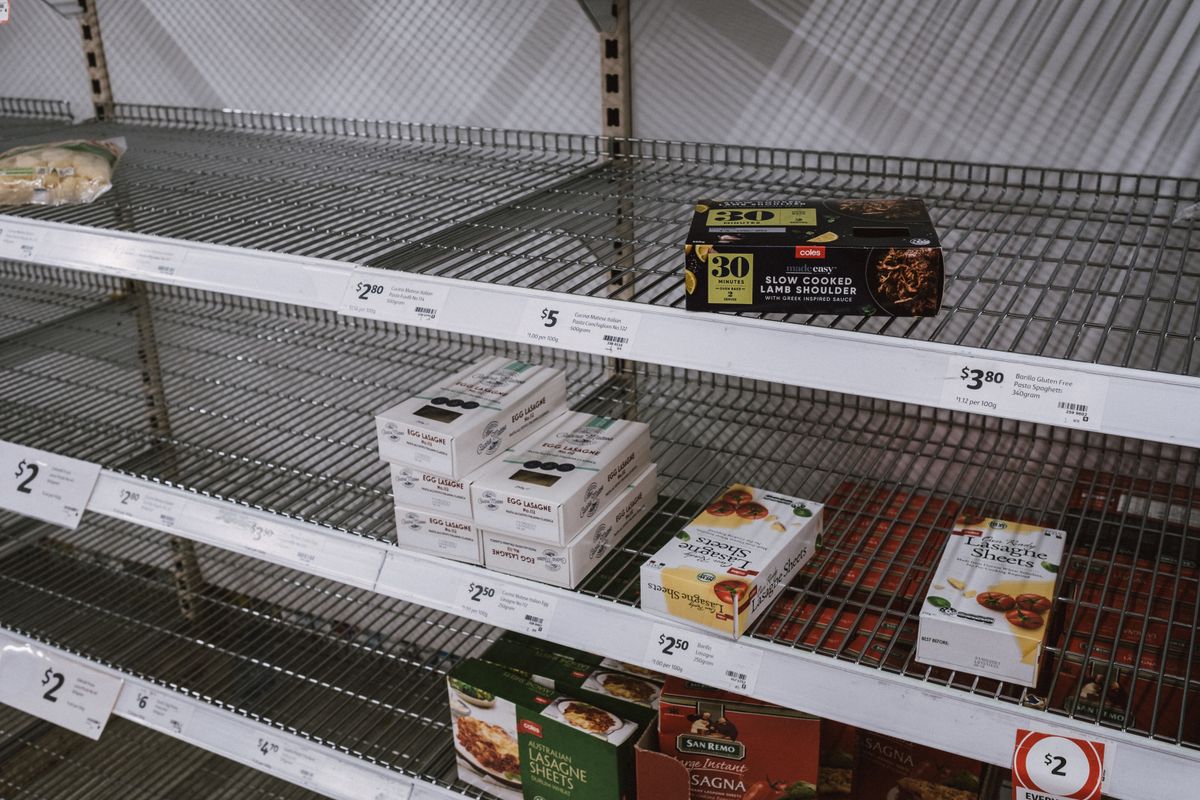
By the time a delisting or an own-brand launch shows up in sales data, the shelf space is already gone.
See delisting risk before it lands
Shrinking facings, slower reorders and buyer signals that point to a range cut, flagged early.
Answer private label on time
Where retailers are launching, expanding or repositioning own-brand products against yours.
Decide on new formats in time
Emerging store formats spotted early enough to decide whether your brand belongs in them.
Retail market monitoring, in plain terms.
Retail market monitoring is the regular watch on the stores and retailers a brand sells through, looking for the changes that come before a sales shift: reduced facings, new own-brand products and new store formats. Nextyn runs it through repeat store audits and interviews with retail buyers and distributors, logging each signal with a recommended response.

- An early-warning signal log, updated each wave
- A delisting and private-label risk summary
- Recommended responses, retailer by retailer
The calls you can make with confidence.
What you will knowWhere the warning signs are appearing, at which retailers, and how serious each one looks.
What you will knowWhere own-brand products are appearing, expanding or being repositioned against yours, retailer by retailer.

What you will knowThe new store formats emerging in your markets, and whether they matter for your category.

Retail & CPG Market Research at work.

Recalibrating household-care growth after shopper behavior shifted
What it settledCombined expert and consumer interviews, retail audits and exit interviews to compare category health, formats, channels and shopper needs across 20 countries. Decision informed: distribution priorities, product-launch sequencing and format emphasis by market.
Read the case study


Which decision is waiting on better evidence?
Send us your question. We come back with a plan and a price. Nothing starts until you approve it.
- 01Tell us your question
What you need to know, which markets, and by when.
- 02We send a plan
Who we will speak to, how, and what it costs. Inside 48 hours.
- 03You approve it
Nothing is commissioned until you say yes.
- 04We run it, and read it back
Every interview read together: where they agree, where they conflict, and what is still open.
Frequently asked questions
Retail market monitoring is an ongoing watch on the retailers and stores a brand sells through, tracking shifts in range, shelf space, own-brand products and store formats before they reach sales data. Each shift is an early warning of one of three things: a delisting, a private-label threat or a new channel. Nextyn runs retail market monitoring as research, through repeat store audits and buyer interviews, and logs every signal with a recommended response for that retailer.
A Nextyn market monitoring program delivers three outputs: an early-warning signal log updated each wave, a delisting and private-label risk summary, and recommended responses retailer by retailer. Each output comes from repeat store audits checked against interviews with retail buyers and distributors:
- Signal log: every change spotted in store or at a retailer, with how serious it looks
- Risk summary: where delisting or own-brand pressure is building, by retailer
- Recommended responses: what to do at each retailer, from defending a listing to answering a launch
Nextyn pairs repeat store audits with interviews in three groups that see shelf changes coming: retail buyers, distributors and industry experts. Store audits show what has changed on the shelf since the last wave, and the interviews show what is planned next:
- Repeat store audits, recording facings, range, own-brand products and new formats
- Retail buyers and category managers, on range reviews and own-brand plans
- Distributors and wholesalers, on reorder patterns and listings at risk
- Industry experts, on new formats and where the channel is heading
Nextyn monitors retail markets in the United States, Canada and Mexico, among other markets, with research in more than 85 countries and over 50 languages. The retailers, categories and markets are agreed at scoping, so a watch on two US grocers and a multi-country European program each get their own store sample and rhythm. Recent Nextyn work compared category health, formats and channels across 20 countries for a household-care brand after shopper behavior shifted.
Nextyn recommends starting market monitoring ahead of a retailer's annual range review, when own-brand products appear in the category, and when a key account's reorders slow. Each of those three points signals a shelf change that is cheaper to answer early than to reverse later. A first wave also sets the baseline every later wave is read against. Monitoring that starts after a delisting explains the loss but cannot prevent it.
A Nextyn market monitoring program runs in four steps, from brief to read-out, and nothing is commissioned until the client approves the plan. The client sees the store sample, reporting rhythm and price before any fieldwork, and reviews every wave with the Nextyn team.
- Submit the brief: the retailers, categories and markets to watch, and the risks that matter most.
- Receive a plan within 48 hours: which stores will be audited, who will be interviewed, at what rhythm and what the work costs.
- Approve the plan: fieldwork starts only after sign-off.
- Review the read-out: each wave's audits and interviews read together, showing where signals agree, where they conflict and what is still open.
Nextyn sends a research plan within 48 hours of receiving the brief, stating which stores will be audited, who will be interviewed, how frequently, and what the work costs. The plan sets the length of the first wave and the rhythm of later waves, matched to how fast the category moves and how many retailers are watched. Nothing is commissioned until the plan is approved.
Nextyn market monitoring looks for the shelf and retailer changes that come before a sales shift, while retail analytics and sales tracking report what has already sold. The two answer different questions: sales analytics measures the result, and monitoring gives a brand time to act before the result arrives.
| Nextyn market monitoring | Retail analytics and sales tracking | |
|---|---|---|
| Scope | Named retailers, categories and early-warning signals | Sales across a panel of outlets |
| Evidence | Repeat store audits and buyer and distributor interviews | Point-of-sale and shipment data |
| Output | Signal log, risk summary and responses by retailer | Sales, share and trend reports |
| Timing | A research plan in 48 hours, then waves at an agreed rhythm | After sales are recorded |