Patient journey mapping that finds where patients fall off the path.
Get a patient journey map showing where patients stall between first symptoms, diagnosis, referral and treatment, in their own words and their doctors', and which fix helps most.
- Research plan in 48 hours
- US, Canada, UK and EU4
- Patient, caregiver and specialist interviews
Patient journey mapping pharma that shows where support pays.

Every patient lost before treatment starts is an outcome missed and a prescription that never gets written.
See exactly where patients drop out
Each leak is located, from a missed symptom to a stalled referral or an abandoned treatment.
Put support where it changes outcomes
Patient programs and services go to the moments of greatest friction, not the easiest ones to reach.
Find the need nobody is meeting
Gaps described by patients, caregivers and HCPs show where a therapy or service can help.
Patient journey map with every drop-off explained.
Patient journey mapping is the step-by-step charting of what patients and caregivers go through, from first symptoms to diagnosis, referral, treatment and ongoing support. Nextyn builds the map from interviews with patients, caregivers, treating specialists and referral stakeholders, and marks where each group says the delays and drop-offs happen.
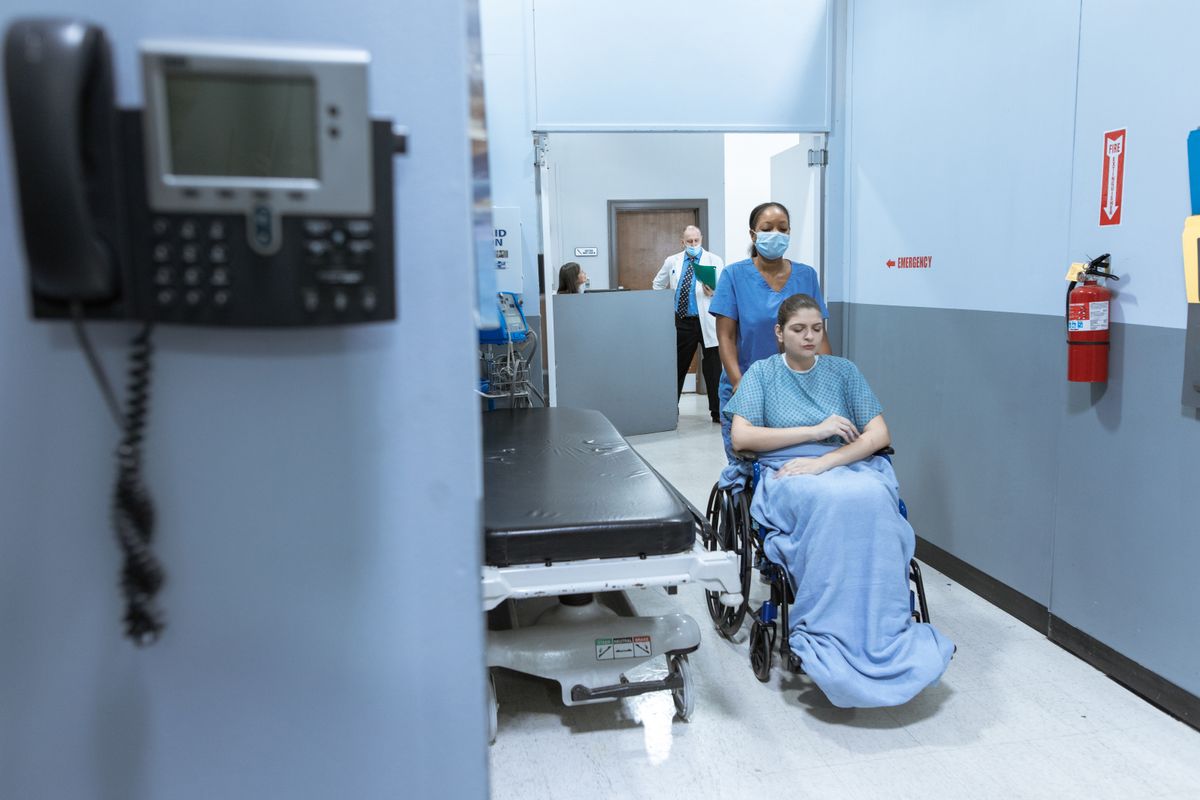
- A stage-by-stage map of the patient journey
- Drop-off points, each with its cause
- Support interventions, ranked by impact
The calls you can make with confidence.
What you will knowThe stages where patients are lost, from symptom recognition to treatment start, and the reason at each one.
What you will knowThe points where patient and physician accounts diverge, which is where friction tends to sit.

What you will knowThe interventions that address the biggest causes of delay and drop-off, ranked by the patients they would keep.
Patient journey examples from recent pathway work.

Finding the pathway barriers delaying treatment initiation
What it settledInterviews with patients, caregivers, treating specialists and referral stakeholders mapped delays across symptom recognition, diagnosis, referral and treatment initiation, identifying the pathway changes and support interventions most likely to reduce time to therapy.
Read the case study


Which decision is waiting on better evidence?
Send us your question. We come back with a plan and a price. Nothing starts until you approve it.
- 01Tell us your question
What you need to know, which markets, and by when.
- 02We send a plan
Who we will speak to, how, and what it costs. Inside 48 hours.
- 03You approve it
Nothing is commissioned until you say yes.
- 04We run it, and read it back
Every interview read together: where they agree, where they conflict, and what is still open.
Patient journey mapping process answers, step by step.
Patient journey mapping is the step-by-step charting of a patient's path through a condition, from first symptoms to diagnosis, referral, treatment and long-term care. The patient journey in healthcare is that path, and the map shows where patients are delayed or lost and why, using the words of patients, caregivers and the HCPs who treat them. Nextyn builds each map from primary interviews in the United States, Canada and Europe, so every drop-off point comes with its cause.
A Nextyn patient journey map delivers three outputs: a stage-by-stage map of the patient journey, the drop-off points with their causes, and support interventions ranked by impact. Each output comes from primary interviews with patients, caregivers and HCPs, not from claims data alone:
- Journey map: each stage from first symptoms to ongoing care, with the people involved at each step
- Drop-off points: where patients are delayed or lost, and the reason each group gives
- Ranked interventions: the pathway changes and support services that address the biggest causes
Nextyn interviews the four groups that see a patient's journey from different sides: patients, caregivers, treating specialists and the referral stakeholders who route patients to them. The sample is matched to the condition and the markets in scope, including rare and hard-to-reach populations where feasibility is confirmed at scoping:
- Patients, at different stages of diagnosis and treatment
- Caregivers and family members who manage day-to-day care
- Treating specialists and their nursing teams
- Referral stakeholders, including primary care physicians
Nextyn runs patient journey mapping in the United States, Canada, the United Kingdom, Germany, France, Italy and Spain, among other markets. Markets are agreed at scoping, and the map keeps each country's pathway distinct, because referral routes and treatment access differ from country to country. A recent Nextyn example is a rare-disease study in Germany, France and Italy that mapped delays from symptom recognition to treatment start, alongside care-model research with specialists and nurses in Canada.
Nextyn recommends patient journey mapping before a launch plan, a patient support program or a diagnosis campaign is designed, while the budget can still follow the findings. At that stage the map shows which delays matter most, so support goes to the moments where patients are lost. There are three other triggers for a map: uptake below forecast, a new indication with a different pathway, and a change in referral or diagnosis guidelines.
The Nextyn patient journey mapping process runs in four steps, from brief to read-out, and nothing is commissioned until the client approves the plan. The client sees the sample, method and price before any fieldwork, and reads every interview with the Nextyn team at the end.
- Submit the brief: the condition, the markets and the decision the journey map must inform.
- Receive a plan within 48 hours: which patients, caregivers and HCPs Nextyn will interview, how, and what the work costs.
- Approve the plan: fieldwork starts only after sign-off.
- Review the read-out: every interview read together, showing where patients and HCPs agree, where they conflict and what is still open.
Nextyn sends a research plan within 48 hours of receiving the brief, stating who will be interviewed, how, and what the work costs. The plan sets the fieldwork length for the condition and markets in scope, and confirms feasibility for rare or hard-to-reach patient groups before any commitment. Nothing is commissioned until the client approves that plan, its sample and its price.
Nextyn's patient journey mapping explains why patients are delayed or lost, in the words of patients, caregivers and HCPs, while claims-based analysis counts what happened to patients from billing records. Claims data shows where patients stop, and interviews show the reasons, which is what a support program or pathway change has to address.
| Nextyn journey mapping | Claims-based analysis | |
|---|---|---|
| Scope | One condition's pathway in the markets in scope | Patients with recorded claims |
| Evidence | New interviews with patients, caregivers, specialists and referrers | Insurance and billing records |
| Output | Journey map, drop-off causes and ranked interventions | Patient flows and treatment rates |
| Timing | A research plan in 48 hours, then fieldwork to the agreed markets | Reported once claims are processed |