Replacement demand is a function of what is already on the floor
A MedTech business needed to size replacement demand for medical equipment across India.
That number cannot be modelled from market size. It depends on what is installed right now, which make and model it is, and how old it is.
None of that exists in one place. An installed base has to be built, centre by centre, or it is an estimate wearing the clothes of a dataset.
A field programme, one centre at a time
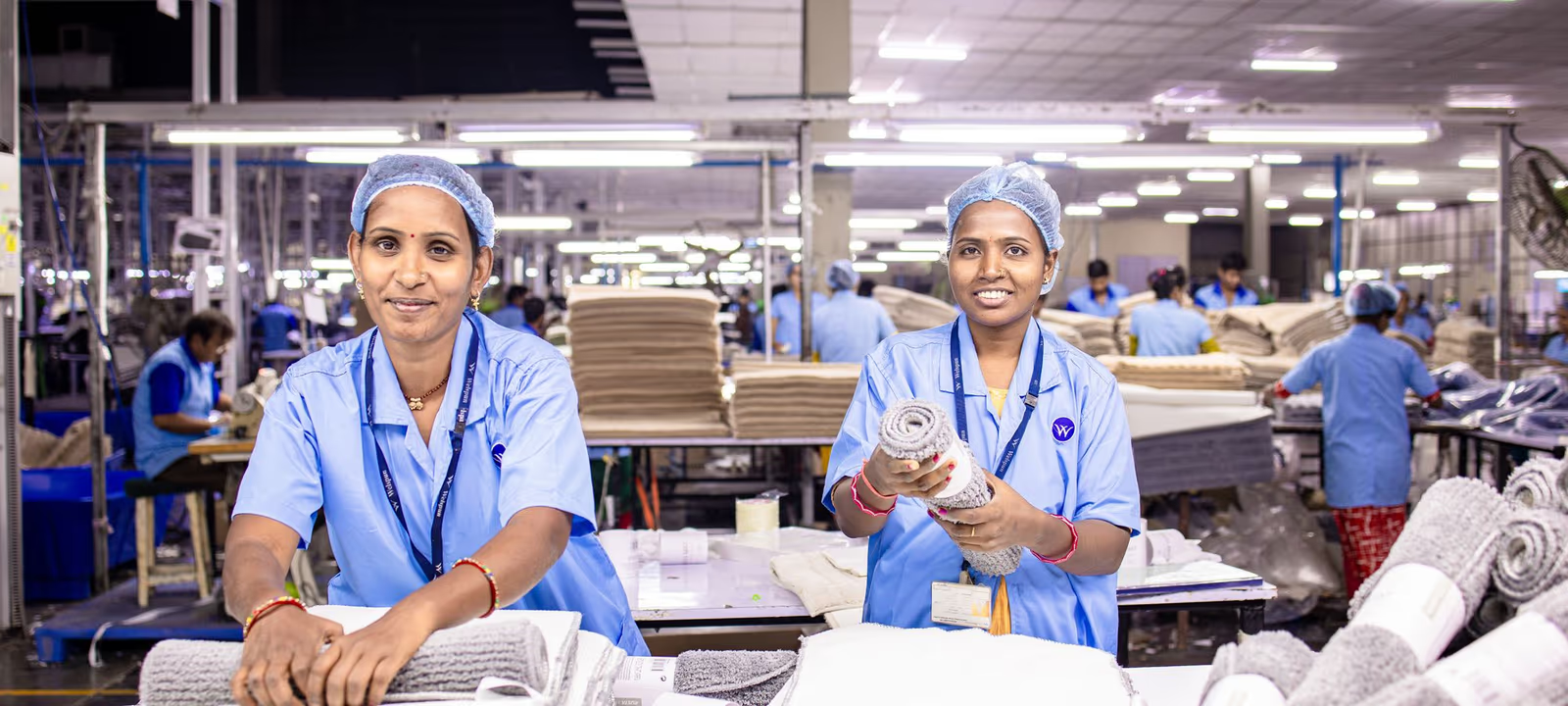
The work was a centre by centre field programme covering five thousand sites across India.
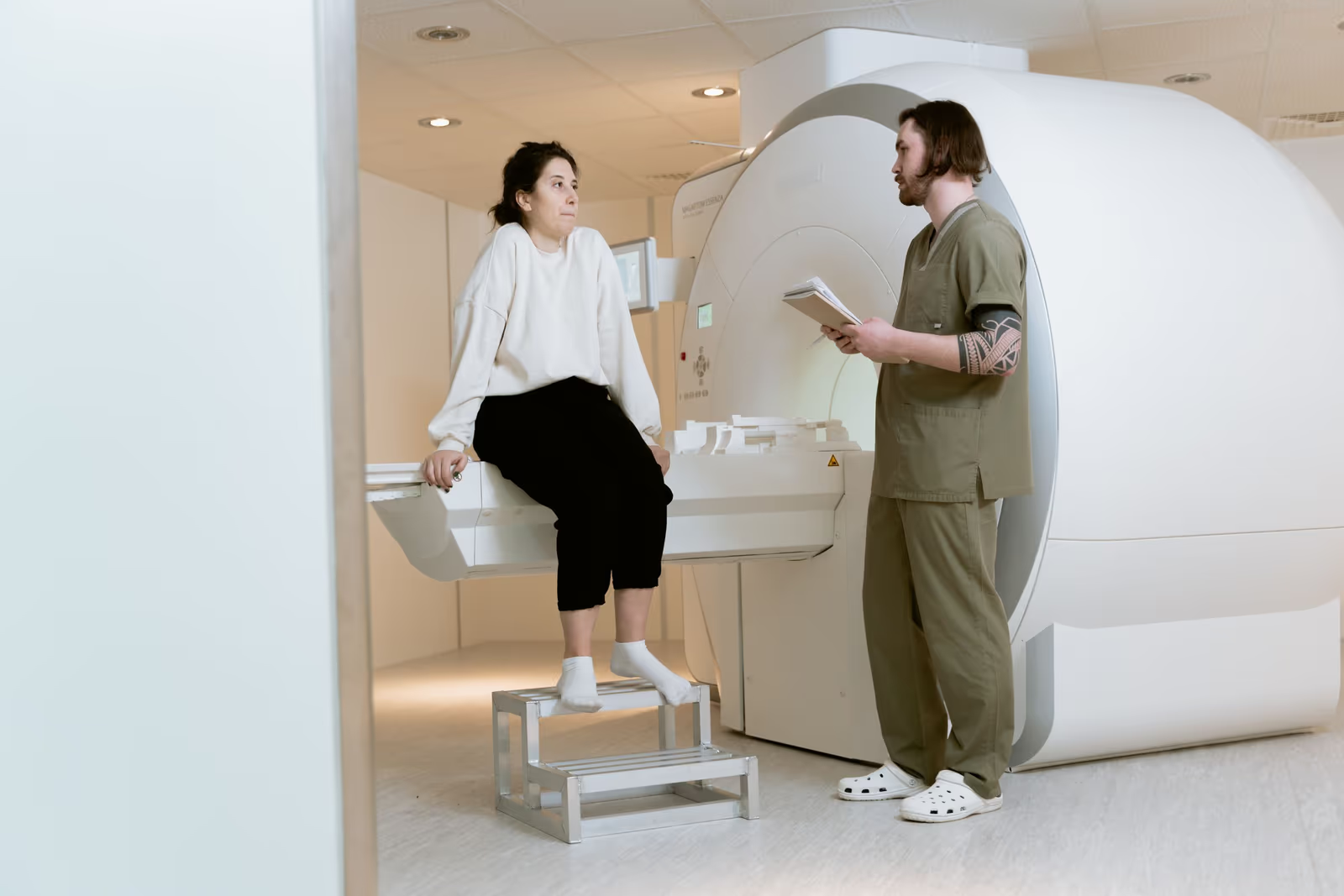
Each visit captured make, model and vintage across CT, MRI and Cath Lab equipment. Three modalities, recorded to the same standard everywhere.
Vintage is the field that makes the rest useful. Medical imaging equipment does not get replaced on a schedule, but age is the strongest single signal of when the conversation starts.
Every record was validated rather than collected and trusted. At five thousand sites the difference between a census and a survey is whether anyone can act on a single territory line.
One dataset, and a territory plan that follows from it
The programme produced a validated installed base dataset across five thousand sites.
With make, model and vintage attached to each site, replacement demand could be sized rather than assumed, and sized by territory rather than nationally.
That is what turned it into a territory prioritisation tool. The sales question stops being where the market is and becomes which centres are closest to replacing.
A Cath Lab approaching end of life in one district and a fleet of recent CT installations in another are different commercial situations. Before this, both looked like coverage on a map.